Jul 19, 2010 | history, other, personal
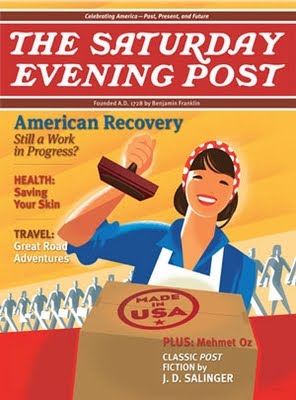
Very few publications can trace its roots back to colonial times. One of those publications is The Saturday Evening Post. The Post was founded as The Universal Instructor of Arts and Sciences by a Samuel Keimer. Keimer moved to Philadelphia from New York after failing to secure work. He rented space from Hugh Meredith who printed the paper. The paper was not exactly successful and was ridiculed by Benjamin Franklin in The Mercury using the pseudonym “Busy Body.” After nine months, Keimer sold the paper to Franklin and Meredith on October 2, 1729.
The new partnership changed the title of paper to The Pennsylvania Gazette and Franklin began to edit the paper into a more readable half-sheet (half of a broadsheet) that was published twice per week. After a few weeks the work load forced Franklin change it to a weekly publication.
Franklin and Meredith dissolved their partnership on July 14, 1730. Franklin continued to publish The Pennsylvania Gazette as the paper’s sole publisher until he made David Hall a partner in 1748. Hall had been working for Franklin and writing for The Pennsylvania Gazette for five years prior to becoming a partner.
By 1765, Franklin and Hall dissolved their partnership. By May 1766, Hall partnered with William Sellers to continue publishing The Pennsylvania Gazette. Following Hall’s death in 1772, his sons William Hall and David Hall, Jr., continued in their father’s place.
The partnership of the Hall brothers and Sellers continued in William Sellers died in 1804. Shortly after Seller’s death, William transferred his partnership to David, Jr. who continued publishing The Pennsylvania Gazette. In 1810, David Hall, Jr. partnered with George W. Pierie until the partnership dissolved in 1815. Hall partnered with Samuel C. Atkinson until Hall died on May 27, 1821.
Following Hall’s death, Atkinson partnered with Charles Alexander. Alexander was a business partner of Atkinson in other ventures. Atkinson and Alexander decided that the paper needed a new character to keep readers interested and capture new readers. They revamped the paper and on August 4, 1821, debuted the first edition of The Saturday Evening Post. The new paper included weekly news stories but included poetry and short stories from contributors like Edgar Allan Poe, Harriet Beecher Stowe, James Fenimore Cooper, and many other famous authors.
Through the 19th century, The Saturday Evening Post changed hands several time until it was purchased by Curtis Publishing in 1897. Curtis Publishing brought the paper to a new level especially when it hired a 22-year old artist named Norman Rockwell in 1916. During the 1940s, 1950s, and 1960s Rockwell was joined by N.C. Wyeth, J. C. Leyendecker, John Clymer, and John E. Sheridan to create some of the most memorable cover illustrations in history.
Curtis Publishing stopped publishing The Post in 1969 after losing a defamation case (Curtis Publishing Co. v. Butts, 388 U.S. 130 (1967)) and ordered to pay $3 million in damages.
The Saturday Evening Post was revived in 1971 as a quarterly publication with an additional focus on the coverage of heath issues and disease prevention. In 1978, ownership was transferred to the non-profit Saturday Evening Post Society who continues to publish The Post as a bi-monthly publication.
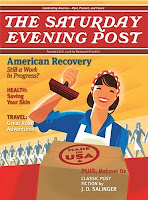 Through this long history, The Saturday Evening Post continues to publish a variety of stories including those of general interest. One of The Post’s regular columns is “Collectible News & Notes.” As part of the column, The Post features a collector and their passion for what they collect. In the July/August 2010 issue (Vol. 283, No. 4), your blog host is the featured collector.
I was contacted via email by the writer of the article. After we exchanged a few notes, he called me one afternoon. I happened to have been driving to a local grocery store when he called. I spent most of our one-and-a-half hour conversation while sitting in the parking lot in front of the grocery store. It was a pleasant conversation and I am sure I gave him more information than he asked for. He distilled the conversation into a nice article that appears on one page—even though there is a minor mistake (in the caption under the picture, it should say that I am still looking for a 1909-S VDB Lincoln Cent in change).
Two weeks after our discussion, a local freelance photographer visited my home to photograph me and my coins. The photographer was a pleasant woman who also took pictures of my dogs. My wife liked the pictures that appear in the magazine.
It might be difficult to find a copy of The Post on newsstands. The magazine has a higher subscription circulation than from newsstands. You might find a copy in a bookstore that has a large magazine section. Otherwise, it should appear on their website in a few months.
The Saturday Evening Post dates back to Benjamin Franklin. It has featured great authors, artists, and other Americans. Now, I am part of that history. How cool is that!
Cover image courtesy of The Saturday Evening Post.
Jul 18, 2010 | Canada, cents
Normand Czepial of Ripon, Quebec was not happy with the increase of his property taxes by nearly $4,000. When he went to pay his tax tax bill, Czepial filled a children’s pool with 213,625 pennies and carted them down to City Hall to protest the higher taxes.
Ripon Mayor Luc Desjardins refused the payment and was forced to tell Czepial to find another way to pay his tax bill. In Canada the Currency Act says “A payment in coins… is a legal tender for no more than… twenty-five cents if the denomination is one cent.” This meant that Czepial was 213,600 over the limit. He wrote a check to pay the property tax.
There have been stories in the United States of people paying with small denomination coins but in all cases, the coins were accepted as payment. Unlike Canada, United States laws does not limit the number of coins that could be used in a payment. While a private citizen could refuse to take the coins, governments cannot. It is not something I recommend doing. Government employees have cell phones with cameras and they can do until you as you have done unto them. Caveat emptor.
Jul 17, 2010 | coins, pocket change
I apologize to my readers for the extended silence. It has been an interesting two weeks. Now that it is over, I can go back to searching the numismatic world for interesting stories.
Well… I have not exactly been silent. Those following me on Twitter (@coinsblog) have seen a some stories of interest—other than the flurry of posts from the US Mint’s broken RSS feed. I tweeted about the following articles:
In other personal news, I found two 2009-D dimes in change. Considering where I was, I suspect that the dimes could have arrived in the area from a visitor to celebrate Independence Day. I also found a few S-mint cents from the late 1960s which might have also arrived in the pocket of a visitor.
While making a purchase in the suburbs, I was given a 2002 Canadian quarter and a 1964-D Washington Quarter. It was clear that the cashier did not know what she was giving me, but offered to buy them back. I explained to the cashier the difference between modern quarters and those minted before 1965. As I was leaving, she was going through the draw dropping quarters on the counter listening for that distinctive “ping” of a silver coin.
The next day I was buying supplies for my dogs when the clerk questioned one of the notes I handed for payment. When I looked at the note I noticed it was a Series 1957A Silver Certificate with a blue seal. It was a worn note that I might have received in change but did not pay enough attention to notice. I was asked how much it was worth and I thought it would be about $2 in its condition. Rather than keeping the silver certificate, I sold it to the clerk to $1 who could not believe how cool it was. Before taking the dog’s treats home, I told him where he could buy a sleeve to better save his new find. Who knows… I could have piqued the interest of a new currency collector.
At work we have a finicky soda machine. It will take paper dollars only if smooth and inserted in one direction. Rather than fight the machine, I have been using Presidential Dollar coins purchased by the roll from a local bank. While a coworker was having problems with his note, I traded his note for a coin to find it worked without issue. After doing this a few times, I convinced some to purchase their own rolls of Presidential Dollars. It may not increase the circulation of dollar coins by much, but it is a start!
Jul 7, 2010 | coins, currency, Euro, foreign, gold, RCM, video
Not all coin news comes from the United States. Here are three interesting non-U.S. stories from the last few weeks:
 Foggia, Italy—A truck in southern Italy carrying €2 million in one and two euro coins crashed and spilled its load on the highway. Feeling they hit the jackpot, drivers stopped and started to scoop up the coins. On the scene, it was estimated that €10,000 was taken. A later count upped that estimate to €50,000. No arrests were reported.
Driver of the truck and the two cars in the accident were not seriously injured, but they were not the focus of many of the stories. With coins strewn on the roadway and the median, the company responsible for the transport of the coins will be spending the next few days trying to sweep up the coins that motorists did not take.
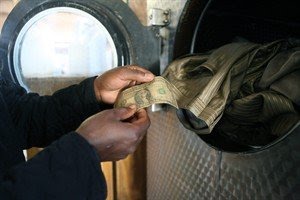
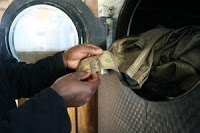 Zimbabwe—In a country where runaway inflation caused their currency to become worthless and the government made U.S. currency legal tender, Zimbabweans are washing their U.S. dollars so that they can be used.
In this poor country, low-denomination U.S notes are used until they fall apart. But in order to protect currency in crime-ridden areas, notes are carried in shoes or underwear. The obvious sanitary and malodorous issues has made it a problem causing banks and many merchants to refuse to take currency that is dirty and smelly. Some people gently hand-wash their notes and some laundry services have discovered that they can wash notes in the gentle cycle then hang the notes to dry.
Apparently this works for the poor in Zimbabwe since the notes outlive the Bureau of Engraving and Printing’s estimated life span of a $1 Federal Reserve Note of 20-months.
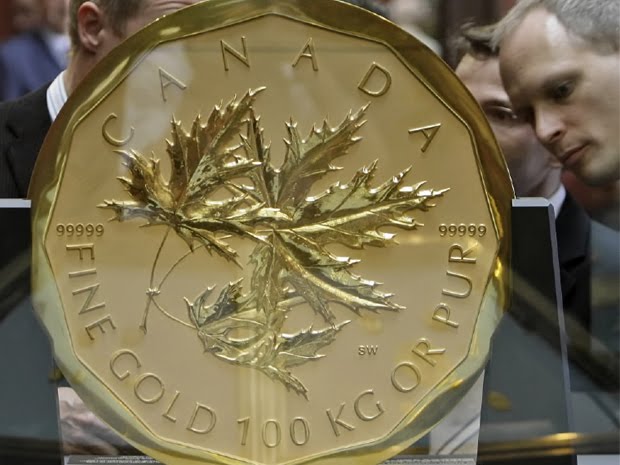
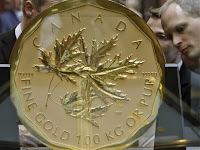 Vienna—Spanish gold dealer Oro Direct S.L.U. bought the world’s largest gold coin at auction for &euro3.27 million (approximately $4.02 million). The 100 kilogram coin with a face value of C$1 million was made by the Royal Canadian Mint in 2007. This coin currently holds the world’s record for being the largest coin ever made.
Gold was trading at $1,253.55 per troy ounce in London at the time of the auction.
“We believe that this is a way to demonstrate our opinion that gold is the ultimate store of wealth,” Oro Direct spokesman Michael Berger was reported as saying. “As long as central banks continue to print enormous amounts of paper money, we believe physical gold will be a fantastic investment.”
The following news video is from Reuters:
About the coin in a video by the Royal Canadian Mint:
Images from Italy and Zimbabwe are courtesy of the AP.
Image of the C$1 Million Maple Leaf courtesy of Reuters.
Jul 4, 2010 | celebration, history
 After nearly a year of war and attempted negotiation with King George III and the British parliament, it became clear that the colonies in the New World would continue to be under harsh rule without representation. In January 1776, the Continental Congress met to discuss the matter.
Public support for independence from the British Empire was growing amongst the colonies. Only the “middle colonies” of New York, New Jersey, Delaware, and Maryland who were benefiting financially being part of the British Empire were against independence. When these colonies sent delegations to the Continental Congress, each of their conventions did not allow them to vote for independence.
As the war with Great Britain dragged on and the attempt at tightening their reigns on the colonies persisted, the populous cry for independence grew. Delegates were set back to their governments and representatives sent to the middle colonies to convince them that the colonies had to declare independence for their own survival. As colonies began to line up with the independence movement, Pennsylvania, New York, Maryland, and South Carolina remained reticent on the subject.
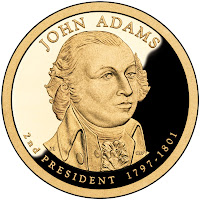 Of the four hold outs, Pennsylvania and Maryland had governments with strong ties to the colonial governors who still had influence. John Adams wrote a draft preamble to explain the independence resolution. Part of the way the resolution was written was, in effect, to overthrow the colonial governments of Pennsylvania and Maryland so that it would be replaced by a popular government. On May 15, 1776, that preamble was passed. The colonies had taken their first step toward independence.
Delegates left the congress and returned to their own colonial conventions. Maryland, whose delegates walked out of the congress in protest, continued to reject the notion of independence. Samuel Chase returned to Maryland and convinced them to allow their delegates to approve the motion of independence. Pennsylvania, New York, and South Carolina remained against the declaration while the Delaware delegates were split.
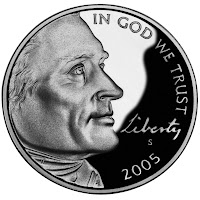 On June 11, 1776, the “Committee of Five” was appointed to draft a declaration. Committee members were John Adams of Massachusetts, Benjamin Franklin of Pennsylvania, Thomas Jefferson of Virginia, Robert R. Livingston of New York, and Roger Sherman of Connecticut. Although no minutes were kept from the committee meetings, it was accepted that the resulting document was largely Jefferson’s work. The Committee of Five completed the draft on June 28, 1776.
Debate on the draft began on July 1. After a long day of speeches a vote was taken. Maryland voted yes but Pennsylvania and South Carolina voted no. The New York delegation abstained with out authority from their government to vote. Delaware could not vote because its delegate was split on the question. Edward Rutledge of South Carolina moved to postpone the vote until the next day.
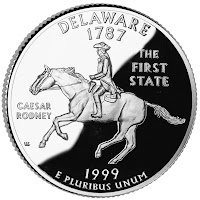 Although there is no written history on what happened that evening, there had to have been lobbying by supporters of independence because on July 2, South Carolina voted yes followed by a turnaround by the Pennsylvania delegation that also voted yes. New York with no authority from their government continued to abstain. With the Delaware delegation deadlocked, this set up the historical ride of Caesar Rodney. Rodney was one of Delaware’s representative to the Continental Congress. He was in Dover attending to other business when he learned that Thomas McKean and George Read were deadlocked on the vote of independence. Rodney rode 80 miles from Dover to Philadelphia to vote with McKean to allow Delaware join eleven other colonies voting in favor of independence.
With 12 votes for independence and one abstention, the Continental Congress approved the declaration. Jefferson then set forth to make the agreed upon corrections to the document. On July 4, 1776, the Continental Congress approved the wording of the Declaration of Independence. The document was sent to the printer for publication and distribution to the public.
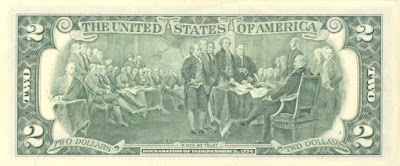
Although historians debate exactly when the final document was signed, it is accepted that the final signatures were added on August 2, 1776. Since New York approved the resolution of independence on July 10, the New York delegation is included amongst the signatures.
As we celebrate the 234th Birthday of the United States of America, please take a moment to remember those who fought for our freedom and continue to do so today. Honoring them is the best way to honor those whose vision created this great nation.
Picture Credits
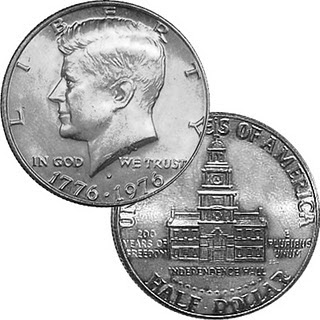
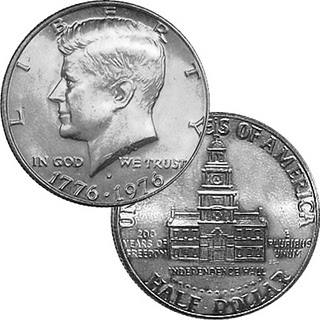
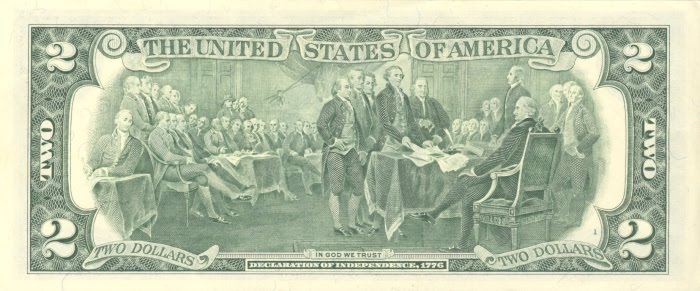
Kennedy Bicentennial Half and $2 Federal Reserve Note reverse are from Wikipedia
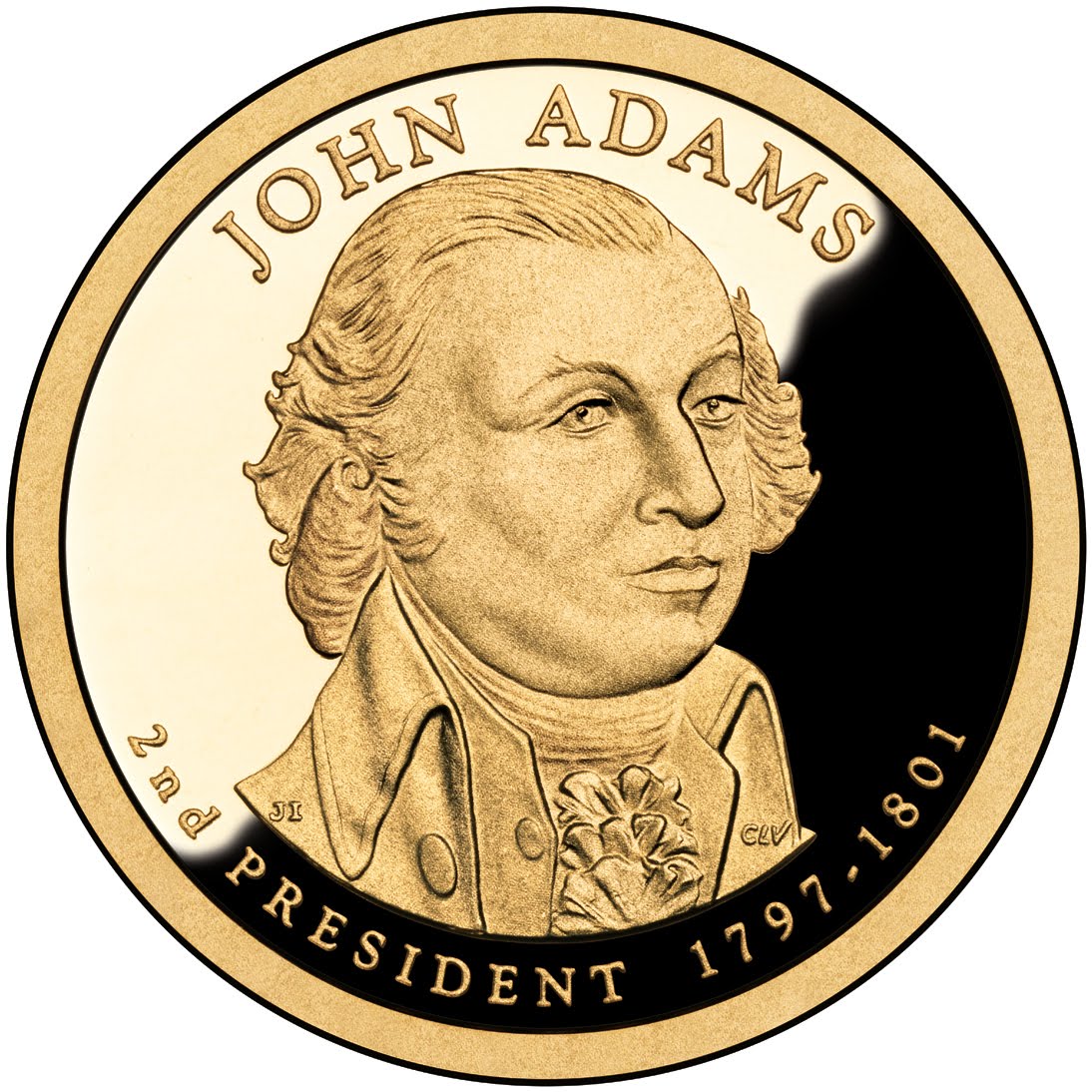
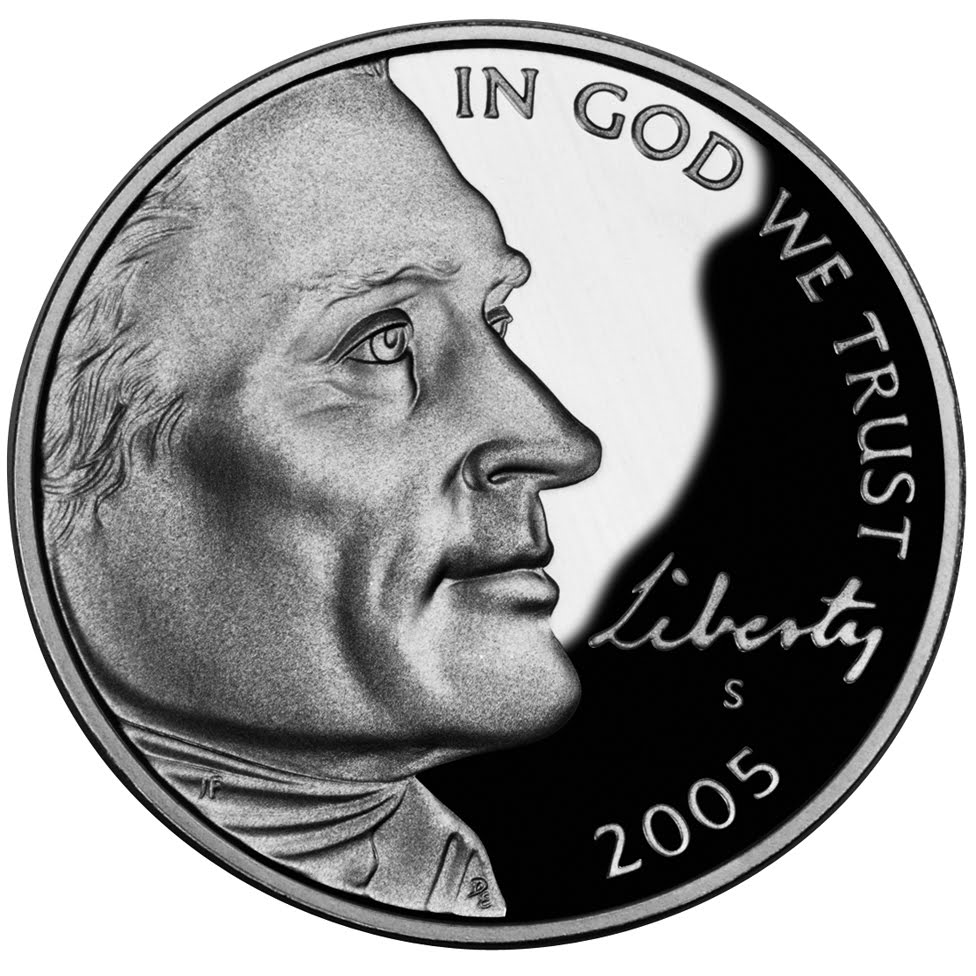
Other coin images are courtesy of the U.S. Mint

 Through this long history, The Saturday Evening Post continues to publish a variety of stories including those of general interest. One of The Post’s regular columns is “Collectible News & Notes.” As part of the column, The Post features a collector and their passion for what they collect. In the July/August 2010 issue (Vol. 283, No. 4), your blog host is the featured collector.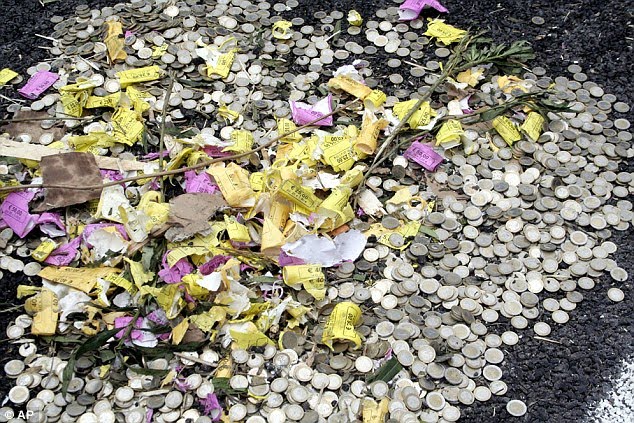


 Loading ...