Apr 24, 2022 | coin design, coins, news
I am sponsoring
GOLD memberships for new and renewing memebers of the American Numismatic Association. This is a limited-time offer to celebrate
National Coin Week and the 131st anniversary of the American Numismatic Association. The offer expires on April 25, 2022. Call (800) 514-2646 or visit
info.money.org/ncw-2022-barman to take advantage of this offer. Be sure to apply code
NCW22SB at checkout!
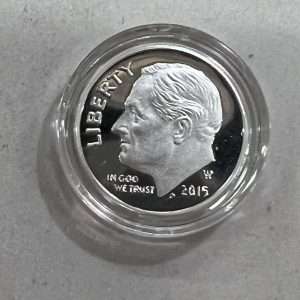 National Coin Week wraps up this weekend, celebrating coin designs. One thing that has been constant throughout the 21st century is changing coin designs. It started with the 50 State Quarters program and has affected every circulating coin except the half-dollar and the dime.
Although the design has lasted more than 25 years, it is not likely that the Treasury Department will change the design. The story of the JFK assassination continues to resonate with a significant sector of the population, and Kennedy’s popularity remains.
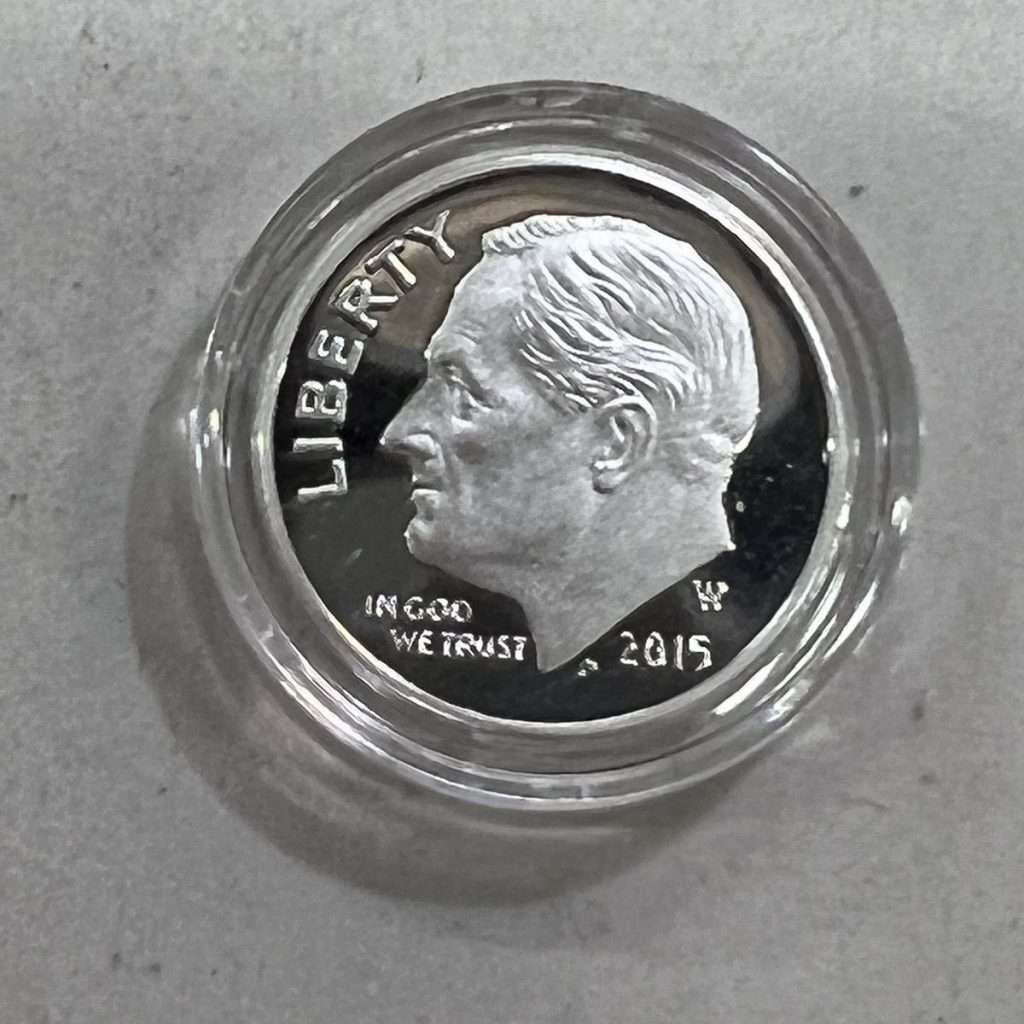
Franklin D. Roosevelt’s appearance on the dime is different. Roosevelt helped create the March of Dimes, and following his death, Congress decided that adding his portrait to the dime was the best way to honor the late president. Since its release in 1946, the dime’s design has not changed.
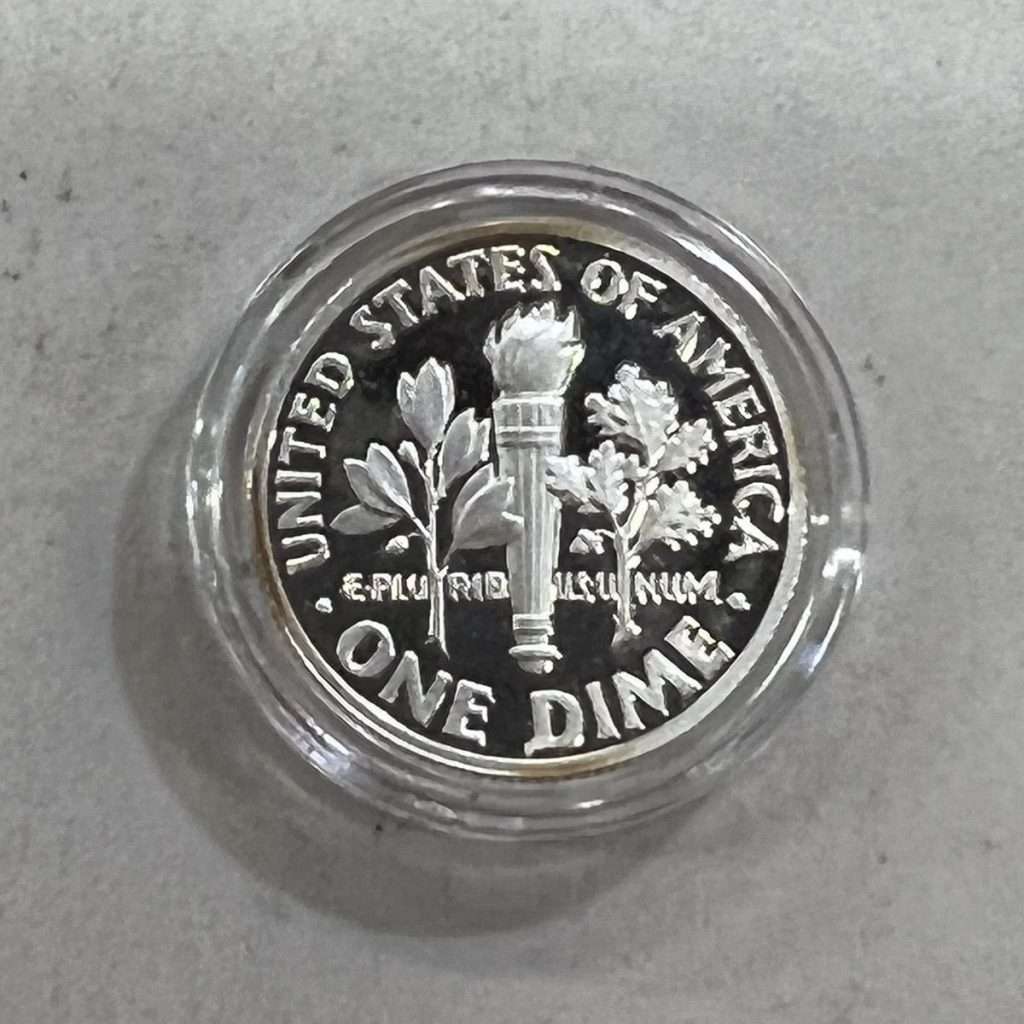
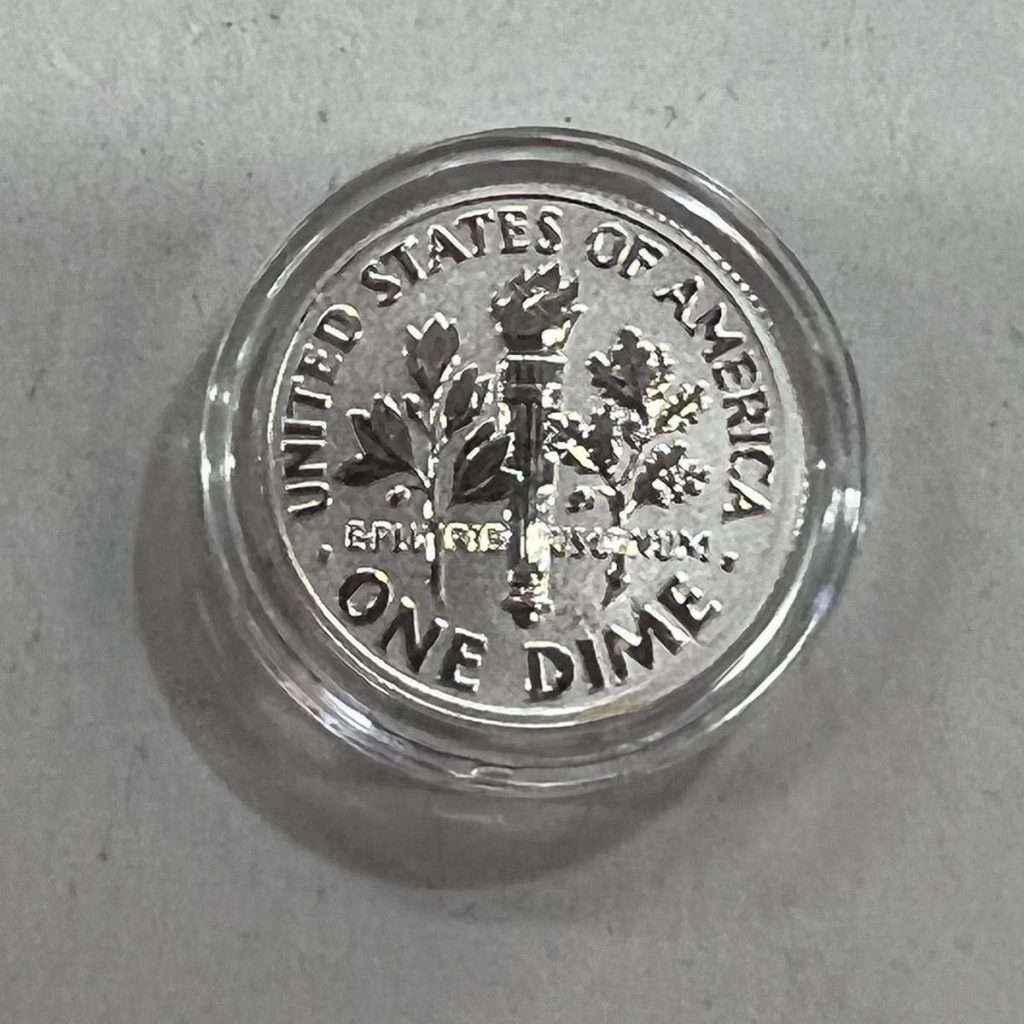
The Roosevelt Dime is the smallest coin produced by the U.S. Mint. Changes to the design may not display as well. When John Sinnock designed the coin’s reverse, the similarity with the Mercury dime was not a coincidence. Aside from the symbolism, the U.S. Mint knows the design will strike well on a small planchet.
While the ability to strike the designs continues to be a concern, modern technology could help produce a suitable design. The problem is, what would make an appropriate design?
Until someone in Congress proposes a bill to change the dime’s design, it will remain the longest-running design on U.S. coins.
And now the news…

April 17, 2022
“The Romans had been used to extremely fine silver coinage, so they may well have lost confidence in the denarius when it ceased to be pure,” Matthew Ponting, one of the archaeologists involved in the research, said in a media statement.

→ Read more at
mining.com
April 17, 2022
An approximate amount of $1 has been received. The U.S. economy is estimated to grow by $5 trillion over the next five years. Coins with physical characteristics. The 11th quarter accounts for about 80% of this value. A billion-dollar note is $100 worth 5 billion. 70 percent of new bills are written to replace older notes as they go out of circulation each year.
→ Read more at
malaysiandigest.com
April 18, 2022
Nearly 1,300 priceless 4th-century AD Roman coins, all in a pot, were found in September 2021 near Bubendorf, Basel County, Switzerland by amateur archaeologist volunteer, Daniel Ludin.
→ Read more at
ancient-origins.net
April 20, 2022
A family's new truffle-hunting puppy is already worth its weight in gold after digging up 15 sovereign coins worth £6,000 on its first walk.
→ Read more at
dailymail.co.uk
April 22, 2022
Out on his daily constitutional, a dog in Poland unexpectedly struck gold, or rather, silver.
→ Read more at
ancient-origins.net
Apr 22, 2022 | coin design, commemorative, silver
I am sponsoring
GOLD memberships for new and renewing memebers of the American Numismatic Association. This is a limited-time offer to celebrate
National Coin Week and the 131st anniversary of the American Numismatic Association. The offer expires on April 25, 2022. Call (800) 514-2646 or visit
info.money.org/ncw-2022-barman to take advantage of this offer. Be sure to apply code
NCW22SB at checkout!
 Since National Coin Week is celebrating coin designs, we can recognize that the coin design can be a factor in collecting the coin. Let’s look at a coin in my collection only because of its design.
Commemorative coins are a fundraising mechanism. An organization convinces a member of Congress to submit a bill to create a commemorative coin that will raise money. The authorizing legislation usually is tied to a milestone, even if it is late, so there is something to promote.
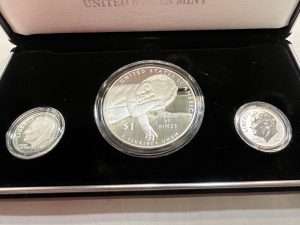
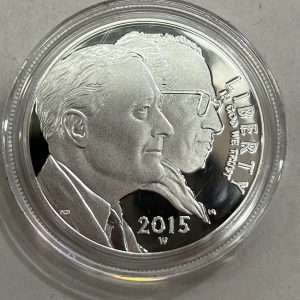
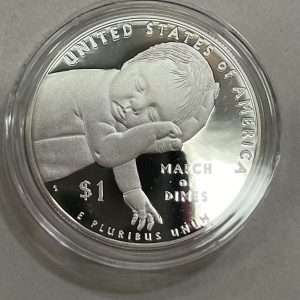
Although people collect commemorative coins, I collect those with subjects that interest me. But there was one commemorative coin I purchased because of the design. My collection includes the 2015 March of Dimes Commemorative Coin Set because of the coin’s design.
Produced for the celebration of the March of Dimes Foundation’s 75th anniversary, the design is a phenomenal work of art. It is the most appropriate image for any modern commemorative coin.
President Franklin D. Roosevelt created the National Foundation for Infantile Paralysis, now called the March of Dimes) in 1938 to fund research to cure polio. FDR fought the painful effects of polio throughout his life. After Drs. Jonas Salk and Albert Sabin developed a very effective vaccine, the Foundation changed its mission to prevent birth defects, prematurity, and infant mortality.
Fortunately, my family has not been touched by the issues that March of Dimes looks to correct, but it is a worthy cause to champion. Otherwise, it is not something that has personal meaning. But the reverse design is compelling.
The reverse was designed by Don Everhart and described on the U.S. Mint’s website, “The reverse (tails) design depicts a baby cuddled in the hand of a parent, representing the foundation’s dedication to the health of babies everywhere.” It is one of the most powerful images on a commemorative coin.
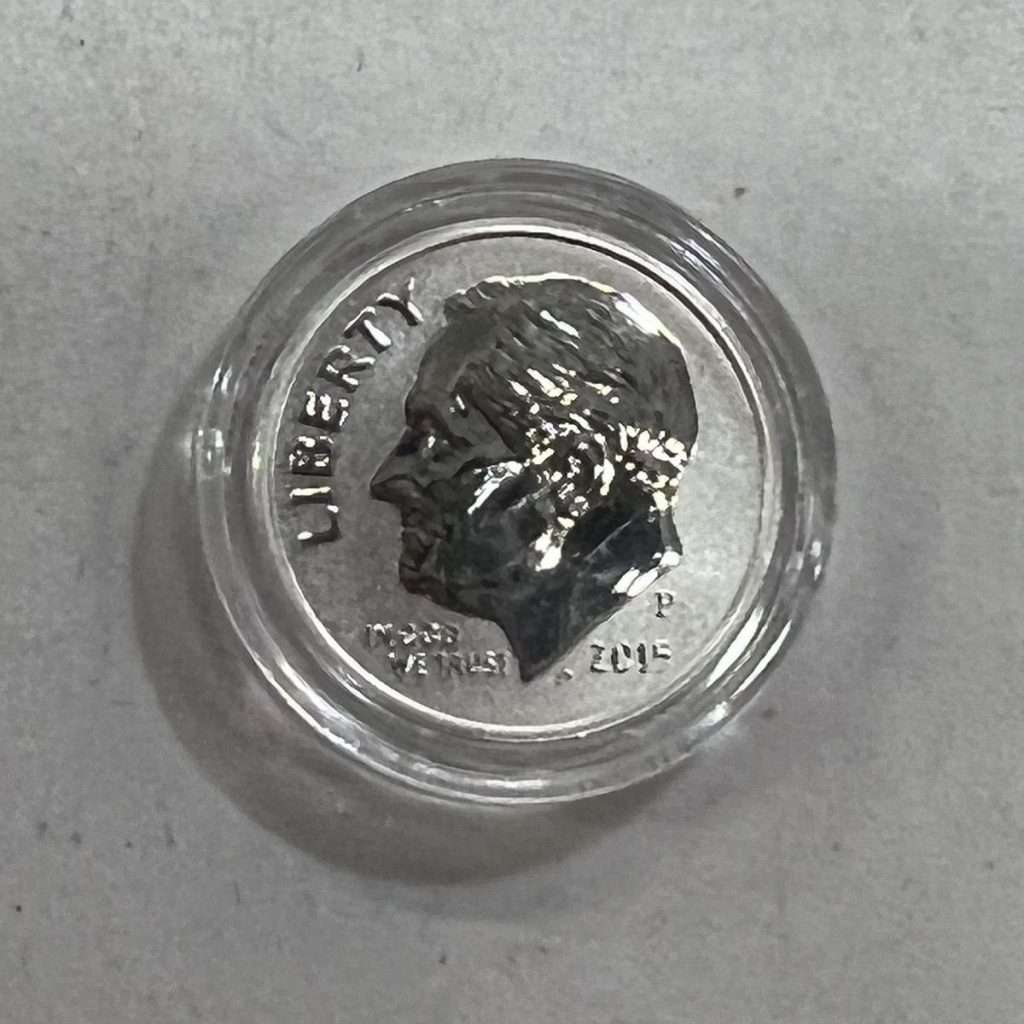
When I decided to add a version to my collection, I waited until the commemorative silver set was available. The set contains the commemorative silver dollar, a proof Roosevelt Dime, and a reverse-proof Roosevelt Dime. It was the reverse-proof dime that made the set attractive. The best-looking coins of the last ten years were reverse-proof and enhanced uncirculated coins.
Although the reverse proof and enhanced uncirculated are in the manufacturing processes, the final results highlight the coin’s design in a way that could not happen with any other process.
This set is included in my collection because of the phenomenally inspirational design of the reverse of the commemorative silver dollar and the reverse-proof silver dime.
All images are original and property of the author used under the Creative Commons license
CC BY-NC-SA 4.0.
Apr 21, 2022 | Canada, coins, commemorative
I am sponsoring
GOLD memberships for new and renewing memebers of the American Numismatic Association. This is a limited-time offer to celebrate
National Coin Week and the 131st anniversary of the American Numismatic Association. The offer expires on April 25, 2022. Call (800) 514-2646 or visit
info.money.org/ncw-2022-barman to take advantage of this offer. Be sure to apply code
NCW22SB at checkout!
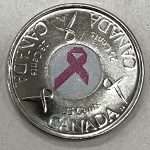
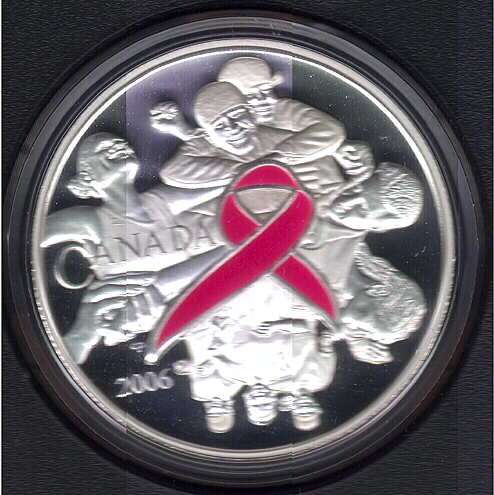
2006 Canada 25-cents Pink Ribbon coin
The Royal Canadian Mint issued the 2004 Remembrance Day poppy 25-cents coin, the world’s first colorized circulating coin. The RCM produced 30 million coins featuring a red poppy on the reverse. The RCM expanded the program in 2008 for the 90th anniversary of the end of World War I with other collectibles.
In 2006, the RCM partnered with the Canadian Breast Cancer Foundation to create a pink ribbon colorized coin. The pink ribbon is the symbol of hope and awareness for breast cancer. Talking about breast cancer also brings awareness to all cancers.
According to the National Cancer Institute, one-in-three people have been diagnosed with cancer or a direct relative diagnosed with cancer. Cancer is the second leading cause of death in the United States, and my family was reduced by someone who died of cancer, including my first wife.
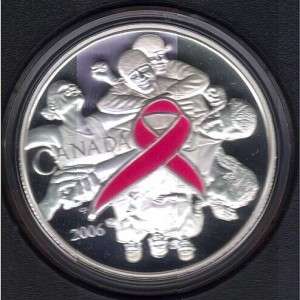
2006 Breast Cancer Silver Coin with colored pink ribbon.
My story is also a reminder that you do not have to collect in the way others recommend. You do not have to fill blue, brown, or green books with coins or the lists produced by someone else, and you can collect based on the topics that mean something to you. Go out and enjoy your collection!
All images are original and property of the author used under the Creative Commons license
CC BY-NC-SA 4.0.
Apr 19, 2022 | ANA, bicentennial, coins, dollar, halves, quarter, US Mint
I am sponsoring
GOLD memberships for new and renewing memebers of the American Numismatic Association. This is a limited-time offer to celebrate
National Coin Week and the 131st anniversary of the American Numismatic Association. The offer expires on April 25, 2022. Call (800) 514-2646 or visit
info.money.org/ncw-2022-barman to take advantage of this offer. Be sure to apply code
NCW22SB at checkout!
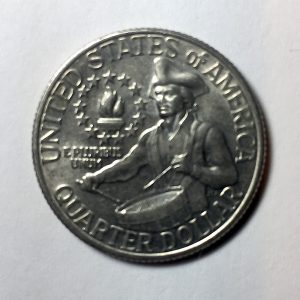
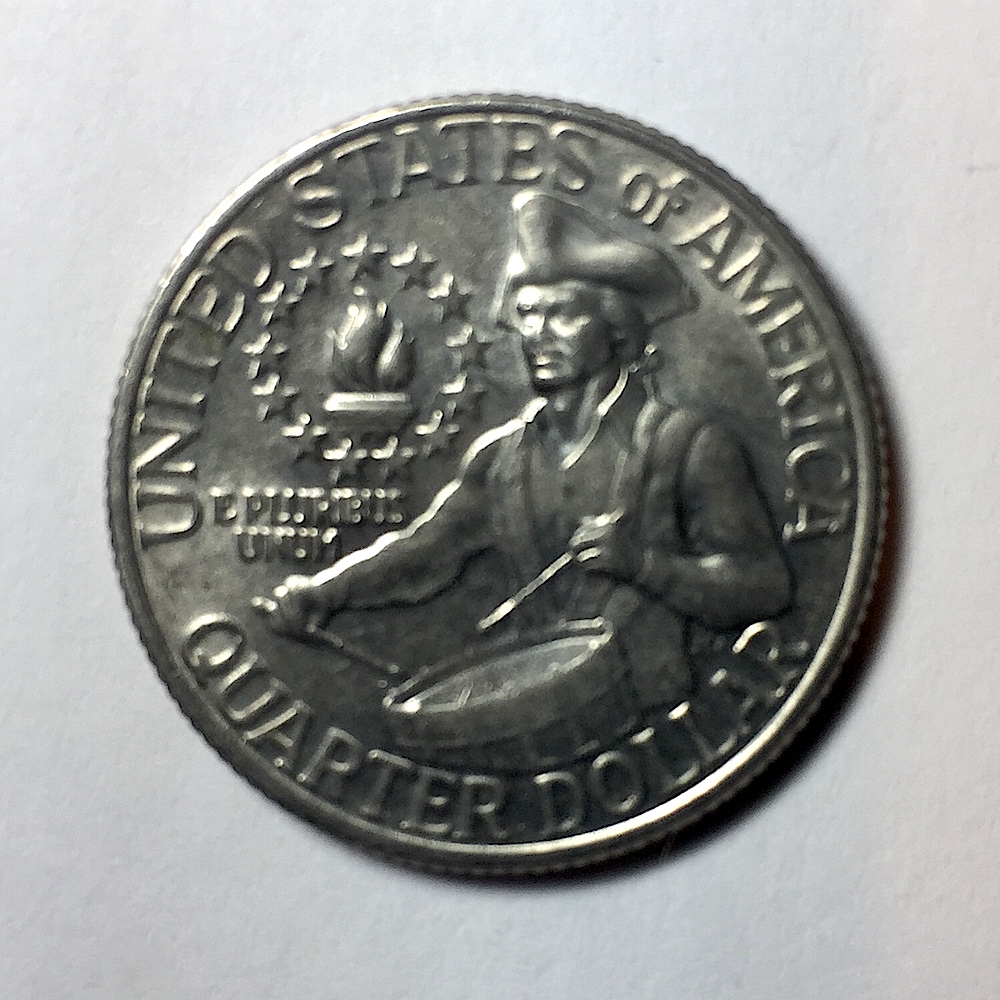
1976 Washington Quarter with my favorite, the Drummer Boy reverse
After the introduction of the Eisenhower Dollar, the first design change came in 1975 for the bicentennial. In the 1970s, celebrating the bicentennial was a significant event. The planning began in the last 1960s and picked up in 1972. The entire nation planned for a celebration that spread across every community.
The American Revolution Bicentennial Administration logo was everywhere, including the official medals the U.S. Mint produced. But that is not all the U.S. Mint produced as part of the bicentennial celebration.
In 1973, Congress passed the law allowing the U.S. Mint to change the reverse design of the quarter, half-dollar, and dollar coins to honor the bicentennial in 1975 and 1976. The coins will be dated 1776-1976 before they revert to their original designs.
My first introduction to a design change was the Drummer Boy reverse on the Washington Quarter. I liked the design more than the original eagle design on the reverse, and it continues to be one of my favorite designs.
As a collector and a newly minted driver, I saved money from my after-school jobs to purchase uncirculated coins and the sets with the bicentennial coins.
In 2001, there was a reunion of the artists who created the designs. Jack Ahr (quarter), Seth Huntington (half-dollar), and Dennis Williams (dollar) attended the celebration. PCGS had the three artists sign labels inserted into slabs with proof versions of the coins they designed. I was able to pick up a set on the aftermarket.
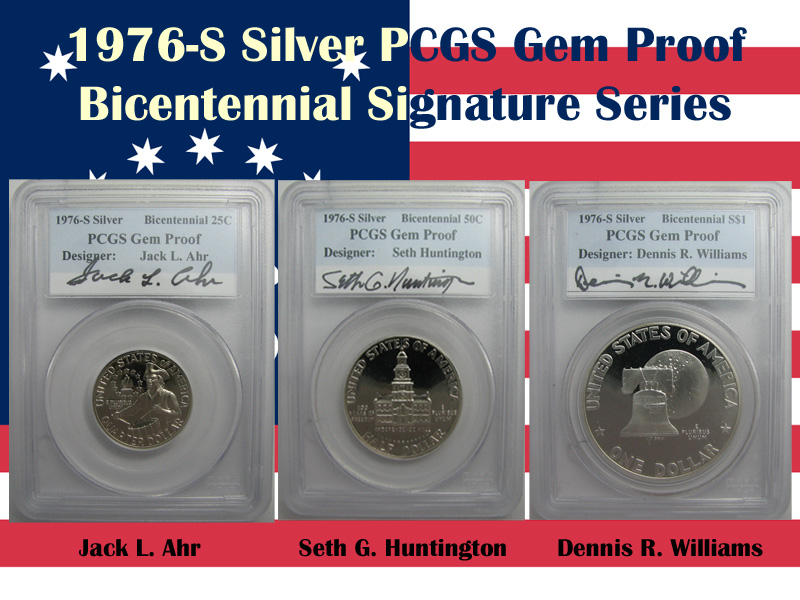
1976-S Silver Proof Bicentennial Autograph Set
Because of the hype, and the potential to increase seigniorage, the U.S. Mint overproduced these coins. They also made proof and silver proof sets so plentiful that they remained on sale through 1986. The U.S. Mint ended up melting over 600,000 sets.
Suggested Reading: To learn more about the legislation that created the Bicentennial coinage program, read “14 Bits: The Story of America’s Bicentennial Coinage” by David Ganz (ISBN 978-0914478638).
The Bicentennial celebration was a national event to remember. Nearly every community issued medals. The Bureau of Engraving and Printing joined in and changed the reverse of the $2 Federal Reserve Note to an interpretation of John Trumbull’s Declaration of Independence. The BEP issued the notes on April 13, 1976, and it is possible to find uncirculated notes postmarked on that date. July 4, 1976, is another popular postmark for bicentennial collectibles, especially postmarks from Philadelphia.
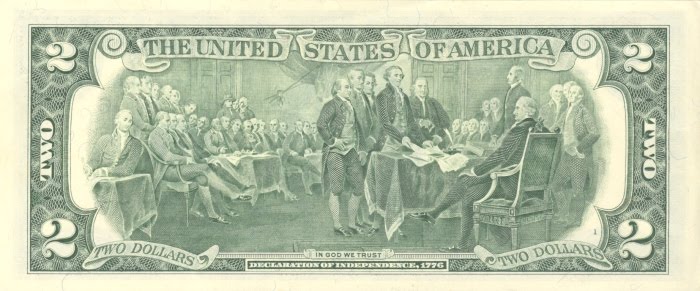
Reverse of the Series 1976 $2 Federal Reserve Note features an engraved modified reproduction of the painting The Declaration of Independence by John Trumbull.
Even though the circulating commemorative was generally successful, the concept would not return until the beginning of the 50 State Quarters program in 1999.
All images are original and property of the author used under the Creative Commons license
CC BY-NC-SA 4.0.
Apr 17, 2022 | ANA, news, quarter
Welcome to National Coin Week 2022!
I am sponsoring
GOLD memberships for new and renewing memebers of the American Numismatic Association. This is a limited-time offer to celebrate
National Coin Week and the 131st anniversary of the American Numismatic Association. The offer expires on April 25, 2022. Call (800) 514-2646 or visit
info.money.org/ncw-2022-barman to take advantage of this offer. Be sure to apply code
NCW22SB at checkout!
For the next week, the theme of National Coin Week is Dynamic Designs, Artistic Masterpieces celebrating the designs on coins. I cannot think of any numismatic topic that will lead to a more heated discussion than coin designs. Whether it is about the design selected for a quarter, commemorative coin, or classic versus modern designs, coin designs can be a polarizing topic. Even the topic of colorization has caused some to have a visceral reaction.
This week, I will be celebrating coin designs. During the week, I will celebrate coin designs from my collection, and they will be designs that I find appealing and the reason why I like them.
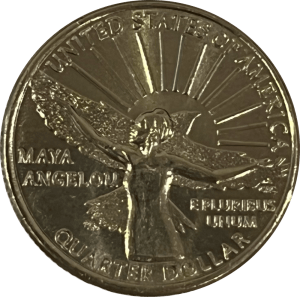
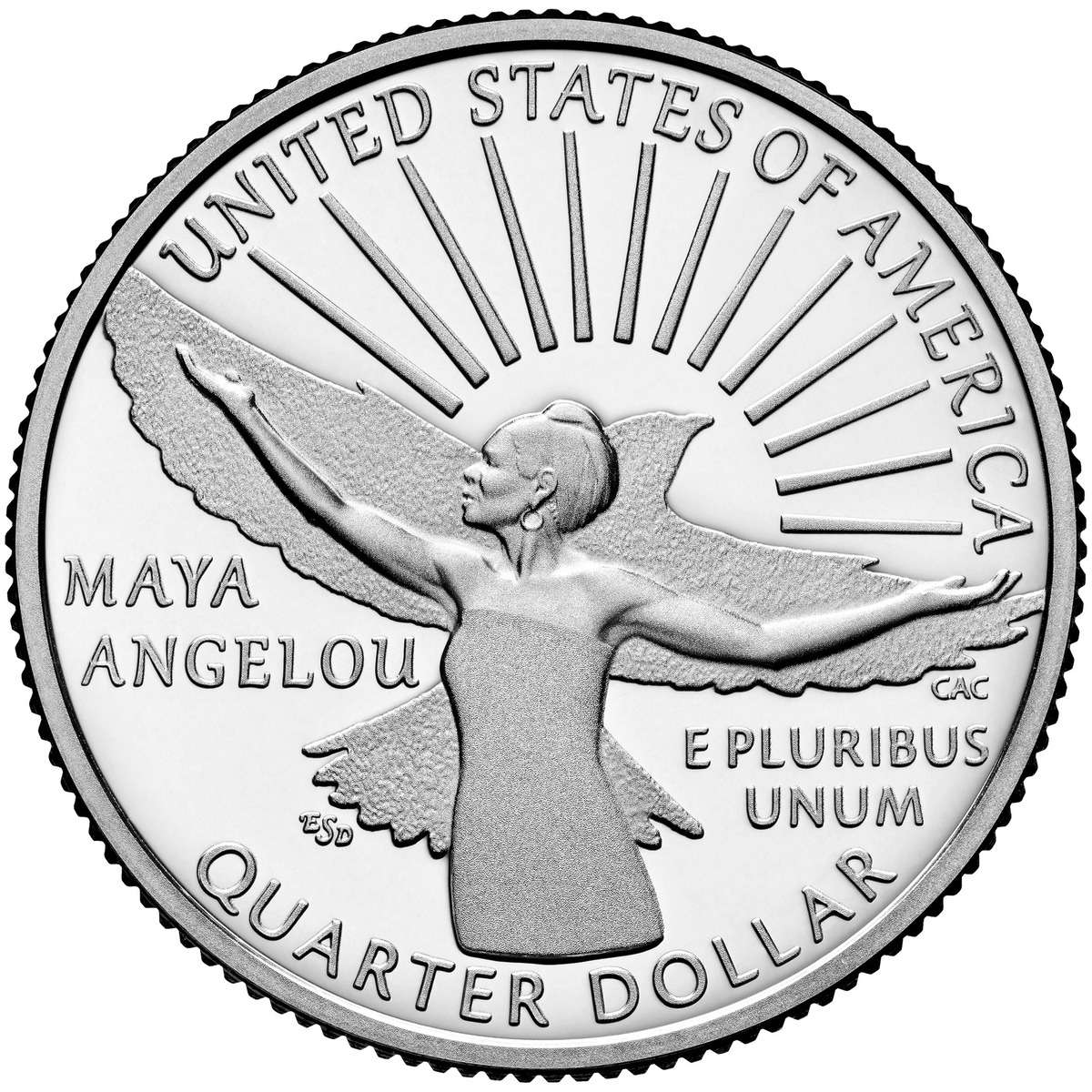
Today I start with the newest design that has piqued the interest of collectors and potential new collectors, the Maya Angelou Quarter. Angelou appears on the first issue of the American Woman Quarters program, a four-year program celebrating the contributions and accomplishments of women in United States History.
Maya Angelou’s appearance on the quarter also marks the first time an African-American woman has appeared on a U.S. coin. Her first famous book, “I Know Why the Caged Bird Sings,” inspired the design. It is the first time the general public has talked about a U.S. coin since the beginning of the 50 State Quarters program.
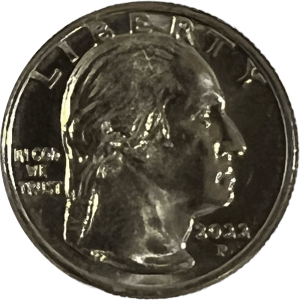
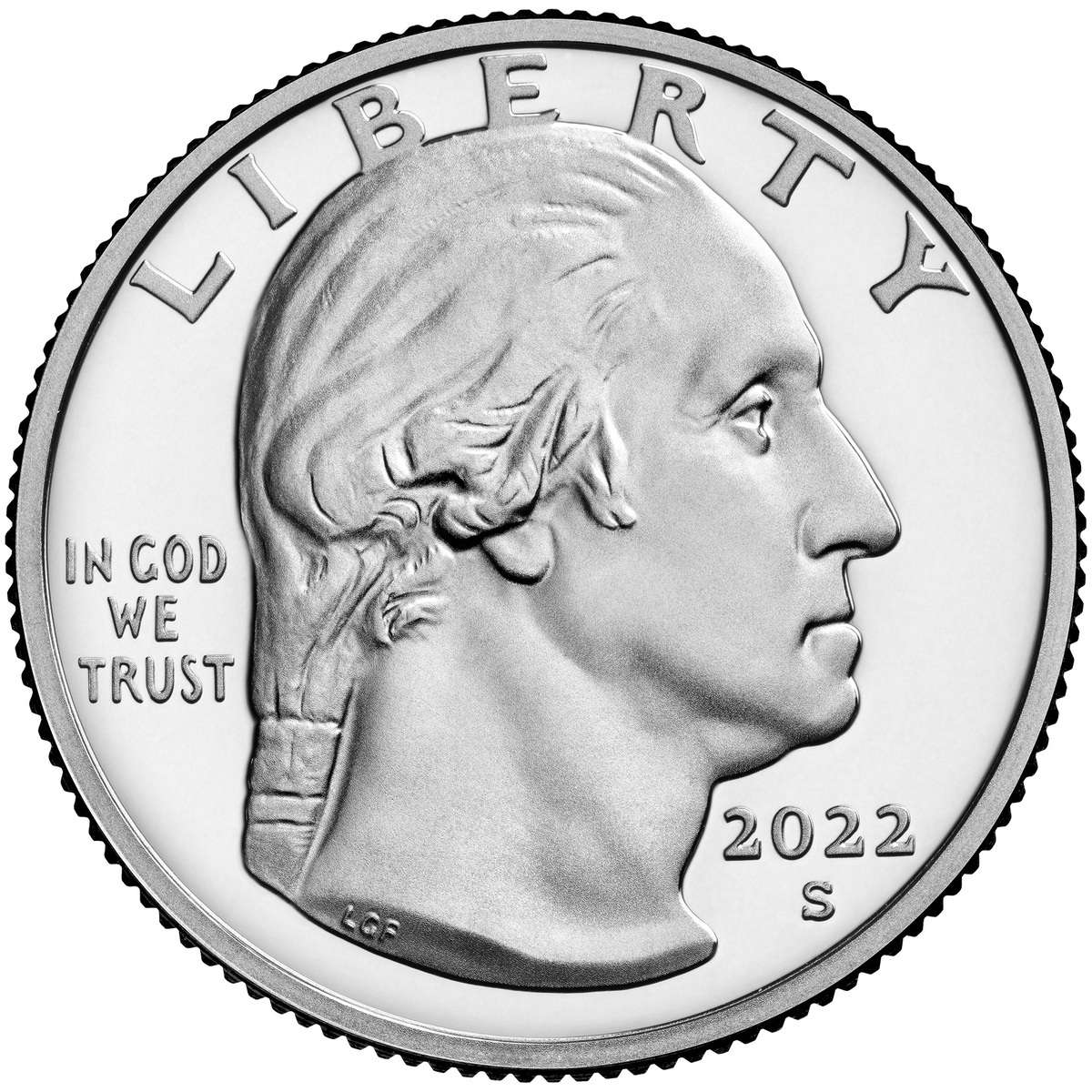
The obverse features a portrait of George Washington designed by Laura Gardin Fraser in 1932. When the U.S. Mint moved to change the quarter’s design to honor the bicentennial of George Washington’s birthday. A competition was held for the design. Fraser’s design was selected by the Commission of Fine Arts (CFA) as the best representation of Washington for the coin. Unfortunately, Treasury Secretary Andrew Mellon, a known misogynist, rejected Fraser’s design and selected the art of John Flannigan instead.
The 1999 George Washington $5 gold commemorative coin featured Laura Gardin Fraser’s design. The American Women on Quarters program will feature her design. To sum up the impact of the design, the following is from the 1932 letter from the CFA to Secretary Mellon:
This bust is regarded by artists who have studied it as the most authentic likeness of Washington. Such was the skill of the artist in making this life-mask that it embodies those high qualities of the man’s character which have given him a place among the great of the world…Simplicity, directness, and nobility characterize it. The design has style and elegance…The Commission believes that this design would present to the people of this country the Washington whom they revere.
And now the news…
April 11, 2022
The research, conducted by researchers at the University of Warwick and the University of Liverpool in England, revealed a debasement of the currency far greater than historians had thought.
→ Read more at
news.abplive.com
April 13, 2022
FINDING valuable coins may not be too difficult – and an expert has revealed a way to do this. Should a coin be in a high grade or have a low reported mintage, the piece could be quite valuable.
→ Read more at
the-sun.com
Apr 11, 2022 | coins, news, quarter
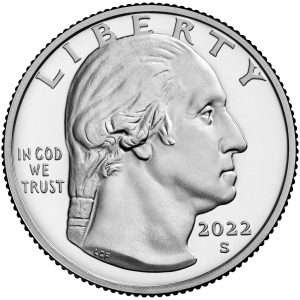 Over the last few weeks, I received emails from people finding quarters celebrating Maya Angelou on the reverse in their change. When I reply by explaining the Women on Quarters program, the writers are surprised that this program exists.
A woman wrote and asked if I would confirm that Sally Ride would appear for a quarter. When I confirmed that the quarter was next in the series, she wanted to know where to find the quarters so she could give them to her daughter, who wants to be a rocket scientist.
I have never seen this type of reaction to a coin program. Students are talking about the coins as they relate to history. Parents are talking about using the coins to influence their daughters.
The unsung design element that numismatists appreciate is the adaptation of Laura Gardin Frasier’s portrait of George Washington. Frasier, the wife of James Earle Frasier, created an acclaimed design that the Committee on Fine Arts picked twice in a competition of artists. Unfortunately, Treasury Secretary Andrew Mellon, a known misogynist, rejected the design and selected the art of John Flannigan instead. Laura Gardin Frasier’s design has taken its rightful place on the coin’s obverse.
A coin that makes everyone excited. That’s a winning combination!
And now the news…
April 10, 2022
The 'heads' of a contemporary coin, with a head of the god Bacchus, that was sampled as part of the project. Credit: University of Warwick
→ Read more at
phys.org
Apr 3, 2022 | news, personal
The text of this week’s post does not contain any numismatic content. The numismatic content is below the story.
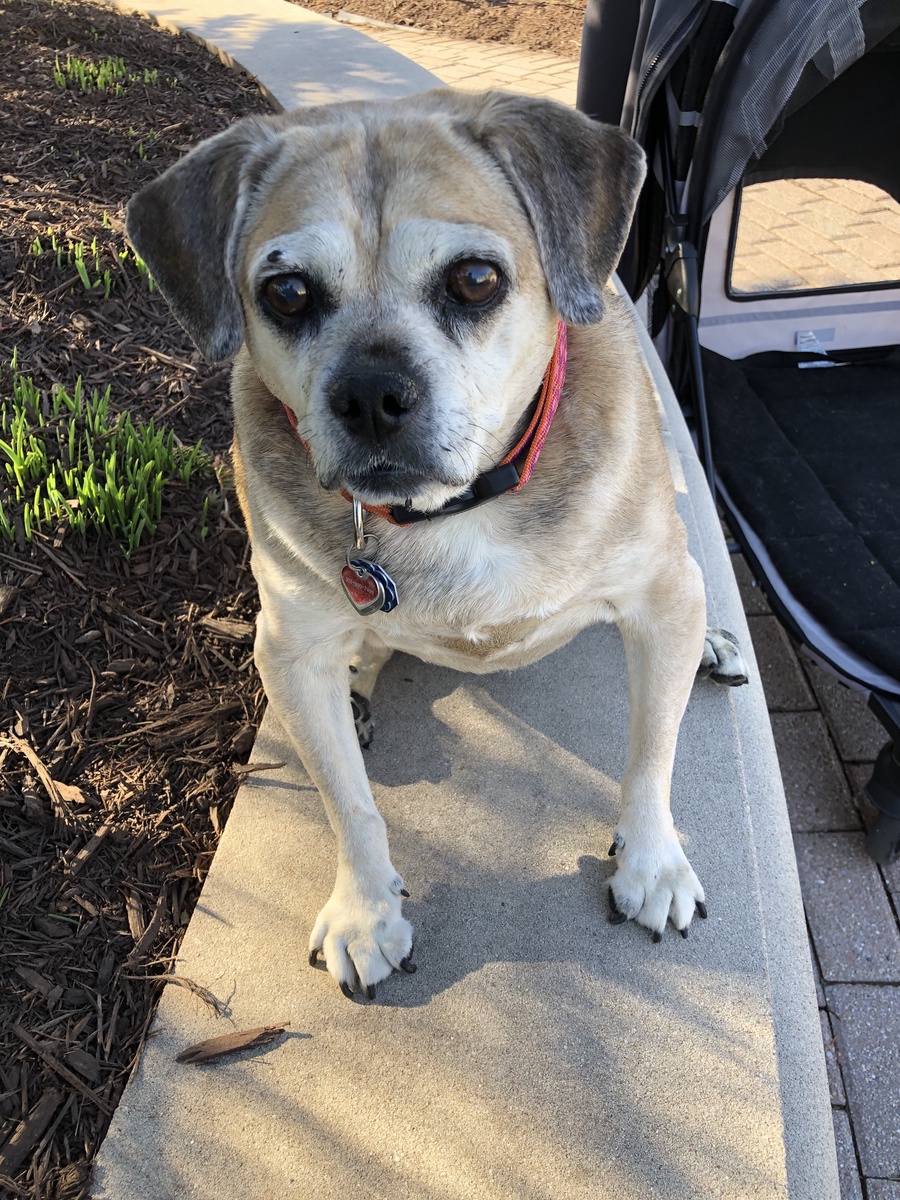
 The love of a dog can never be measured. When you bring one into your home and heart, the bond is instantaneous and enduring. Bring in two, and it is a house full of barking, messes, love, and affection. My wife and I raised two puppies, a brother, and a sister, from different litters.
When the youngest has been with you for 13 years and 7 months, it may be a long time, but it feels like yesterday. We raised Tessa from a puppy from the day we picked her up in November 2008.
We used to say that if Tessa was human, she’d be a party girl. Tessa was a fun-loving dog who was very intelligent but would rather play. She did not have a short attention span, but it was short when she was not playing.
Aside from annoying her (late) brother, Boomer, Tessa’s favorite pastime was eviscerating toys. Any stuffed toy would not last more than a few moments, and she would attack, and the stuffing would be all over the house. If the toy had a squeaker, Tessa would chew it until it stopped squeaking.
Tessa slowed down a lot over the last two years, and age was catching up with her. Amongst her ailments, Tessa had arthritis in her hips. We bought a doggie stroller to bring her around the neighborhood. Since I had some time off on Monday, Tessa and I went for a long walk. The image on this post is from that walk. It was the last time we had quality time together.
On Saturday, Tessa went into respiratory failure, and we rushed her to the veterinary hospital. For a while, it seemed that she was stable and could get better, but she took a turn for the worse. We had no choice but to help her end this journey and lead her on to her next journey across the Rainbow Bridge.
I hope Tessa finds her brother Boomer, and they are running around like they did so many years ago. Sweet dreams, my baby-baby sweetheart. You will be missed.
And now the news…
March 29, 2022
Who wants dead presidents and royalty on their money when Star Wars and Lord of the Rings are an option?
→ Read more at
gizmodo.com
April 1, 2022
There’s a new reason to break open your piggy bank. Pocket change is in short supply – again. While some will call it the great coin shortage of 2022, America is facing a coin circulation problem.
→ Read more at
usatoday.com
April 1, 2022
TAMPA, Fla. (WFLA) — Amid war in Ukraine and market chaos, nickels are now worth more in melted metal than their face value. But before you empty the piggy bank and fire up a smelter in the yard, there are a few things you should know.
→ Read more at
nbc4i.com
April 2, 2022
EVERYONE likely has a circulated coin somewhere around them – and it might shock you to learn that it could be valuable. A circulated coin could mean a few things, but generally, it is a type of condition that collectors refer to.
→ Read more at
the-sun.com
April 2, 2022
This rare silver coin shows a portrait of Charlemagne that was made during his lifetime.
→ Read more at
livescience.com
Apr 1, 2022 | coins, quarter
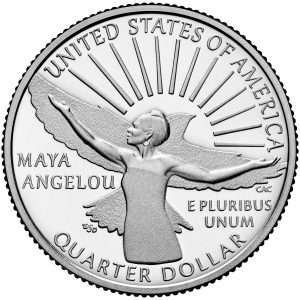
2022 Maya Angelou Quarter
After putting my items on the belt, I asked why there were looking at the coins. One looked up and said they were looking for the Maya Angelou quarter, and another said that they were reading about Angelou in high school when their teacher talked about the quarter.
One looked at me and asked if I knew that the next quarter would honor Sally Ride and started to tell me about Dr. Ride. After I told them that I watched the shuttle launch on television, they thought it was neat that these quarters were in circulation.
They showed no interest in the national parks quarters as they looked at the quarters when one found an Ohio quarter. Although it has the hanging astronaut, I asked if they found the Florida quarter with the Space Shuttle on the reverse.
They realized I understood the quarters and asked if there was a reference to the themes on the quarters. After pointing them to the U.S. Mint website, I told them about the Red Book. I showed them some of the quarter designs on my smartphone and then the Native American dollars.
Aside from not knowing that the U.S. Mint struck dollar coins, I showed them the 2015 Mohawk Iron Workers dollar, a personal favorite. One showed interest and asked if they had created a design for the Code Talkers, and I responded “💯percent” and showed them the 2016 dollar.
Three high school students were now working at a local grocery store, looking at the coins in the cash register for designs representing history. They may not be looking for silver coins like I did in the early 1970s, but it’s change hunting looking for something neat.
The more things change, the more they stay the same.

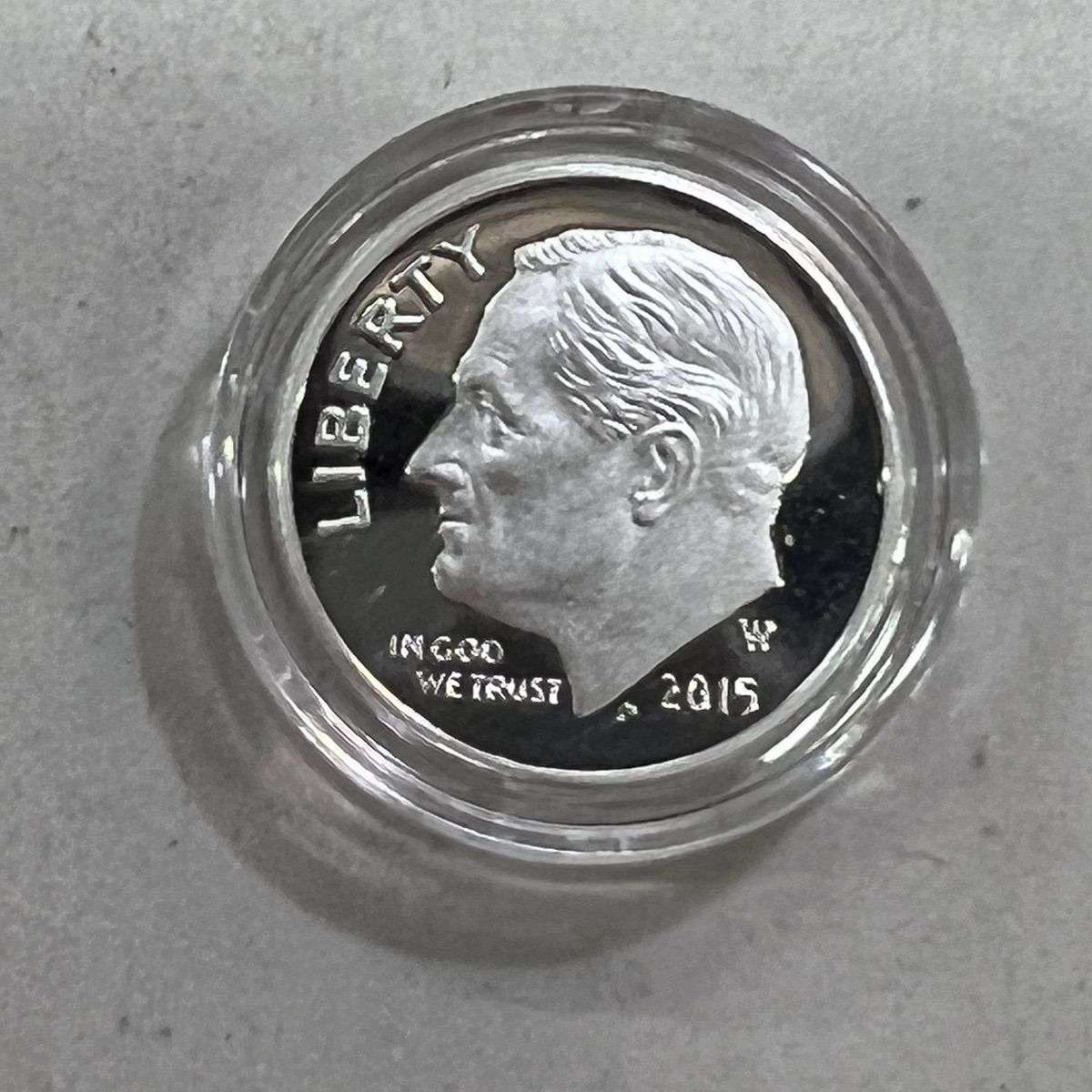 National Coin Week wraps up this weekend, celebrating coin designs. One thing that has been constant throughout the 21st century is changing coin designs. It started with the 50 State Quarters program and has affected every circulating coin except the half-dollar and the dime.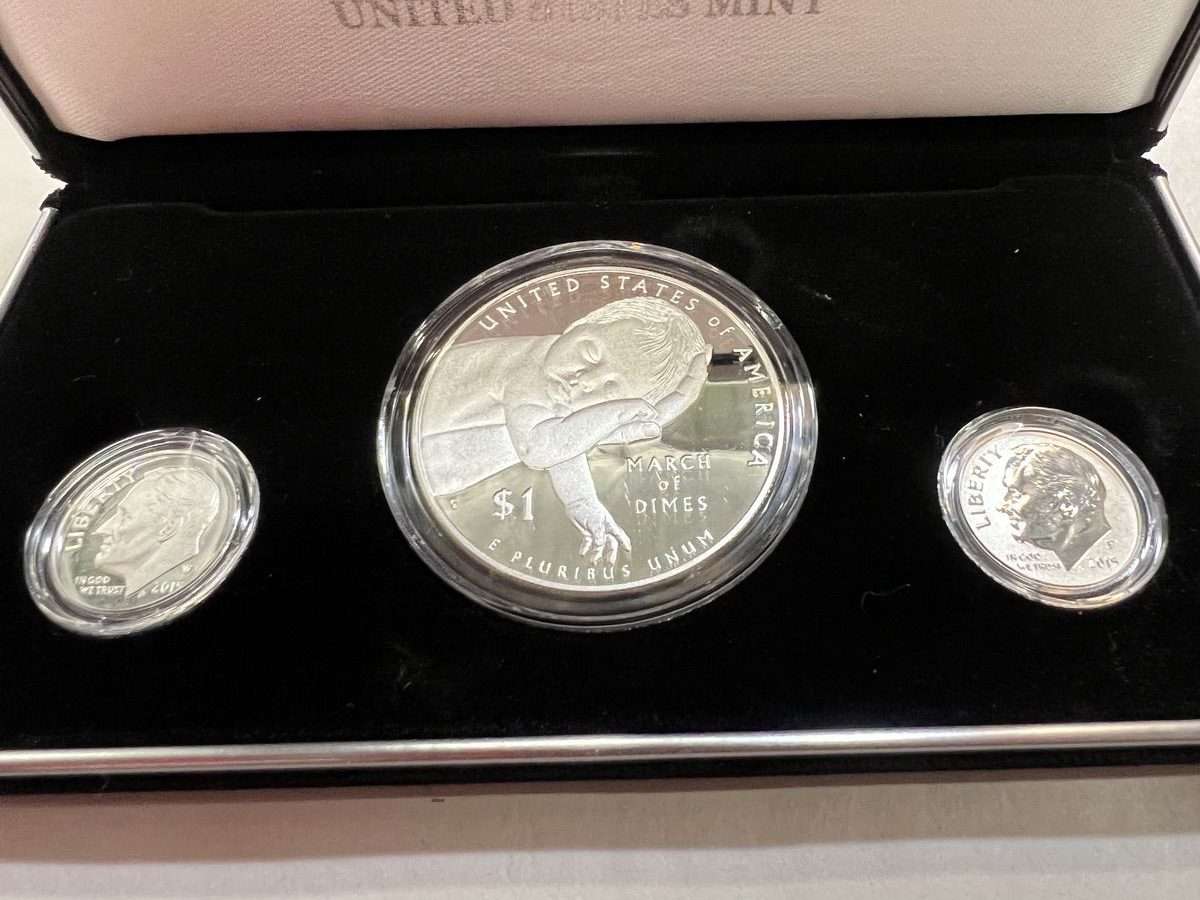


 Loading ...