Dec 15, 2010 | coins, legislative
The White House announced that on December 14, President Barack Obama singed the American Eagle Palladium Bullion Coin Act of 2010 (H.R.6166) and the Coin Modernization, Oversight, and Continuity Act of 2010 (H.R.6162).
Read this article for more information about both laws.
Dec 12, 2010 | bullion, coins, dollar, national park quarters, US Mint
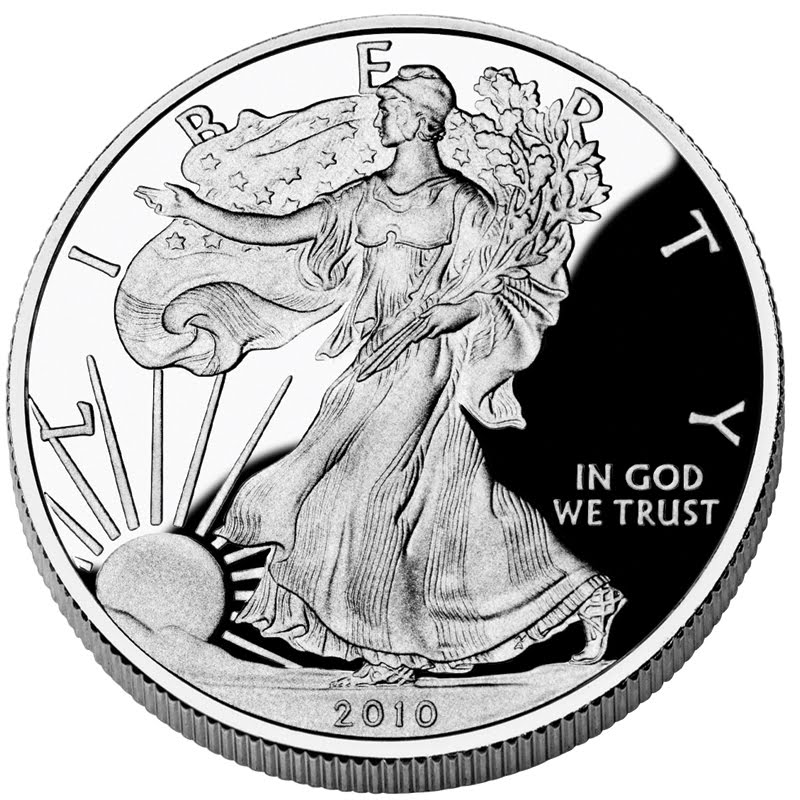
It is difficult to determine if 2010 was a good year for those collecting coins from the U.S. Mint. Unlike 2009, the U.S. Mint was able to strike both bullion and proof American Silver Eagle and American Gold Eagle coins. After the outrage of 2009, collectors appear to be happy that the proof Eagles have made a return.
Also new in 2010 were the American the Beautiful Quarters program with designs representing the first five national parks created by an act of congress. As part of each park’s introduction, either Director Edmund Moy or Associate Director Andy Brunhart has visited each of the 2010 celebrated sites for the introduction of the new quarters. Although it has been difficult finding these quarters in pocket change, these new coins had nice designs and was a chance for people to learn about the United State’s wonderful national parks.
Bullion
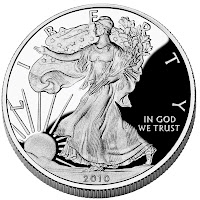 Bullion programs have caused angst amongst collectors and the U.S. Mint. Collectors found their collections with holes for the 2009 American Eagle Proof coins while waiting close to the end of 2010 to find out that proof Eagles will be produced.
Sales of bullion American Eagles have had mixed results. While the U.S. Mint has not produced bullion Platinum Eagles since 2008, sale of gold bullion has dropped from 2009. With the price of gold climbing from $1,100 at the beginning of the year to over $1,300 since September, investors may be looking for more cost effective investment option.
One investment option has been silver. With over 33 million silver Eagles produced through the first week of December, the U.S. Mint has produced more silver Eagles this year than in any years since the program started in 1986. Silver started the year around $17 per ounce, staggered into March, and then the prices began a slow rise. After breaking the $20 mark in September, the price has been hovering close to $30 the last few weeks. Silver closed at $30.50 on December 7 before dropping below $29 since.
From a collector’s perspective, this has made collecting American Eagles more expensive. Thankfully, the U.S. Mint has resolved its production issues and produced proof Eagles this year. We will see proof Eagles in 2011 with the passage of the Coin Modernization, Oversight, and Continuity Act of 2010 that changes the American Eagle Bullion law to allow the U.S. Mint to divert some metals for collectors coins.
Missing from the 2010 line up was the American Buffalo 24-karat Gold Coin. While still an authorized issued, the coin has not roamed the United States since 2008 in both bullion and proof issues. There has been no comment from the U.S. Mint as to whether the coins will make an appearance in 2011.
Circulating Coins
For 2011, the U.S. Mint will produce the Lincoln Cent as redesigned in 2010, the Jefferson Nickel that was redesigned in 2006, the Roosevelt Dime as it was designed in 1946, and the Kennedy Half Dollar as it was released in 1964. No changes are planned for these circulating issues.
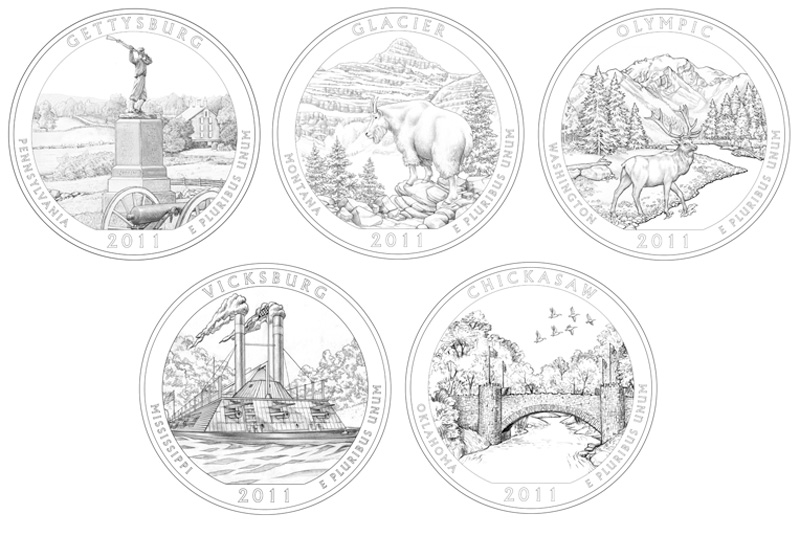
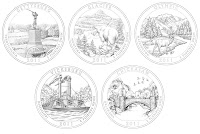 In the second year of the American the Beautiful Quarters Program. If the second year designs are as well executed as the first year, the program will continue to be a success from a collector perspective. The second group of quarters will honor Gettysburg National Military Park in Pennsylvania, Glacier National Park in Montana, Olympic National Park in Washington, Vicksburg National Military Park in Mississippi, and Chickasaw National Recreation Area in Oklahoma. The U.S. Mint’s line art shows promise for a very nice looking series.
One part of the American the Beautiful Quarters Program has been the issue of three-inch five-ounce .999 silver bullion coins. Production problems have delayed the release of these coins. According to the U.S. Mint’s press release, there may be collector versions of the coin with limited production runs. Considering the high costs set by the U.S. Mint, it may be difficult for some collectors to justify. But with the production issues worked out, maybe the 2011 versions may sell better.
Dollars
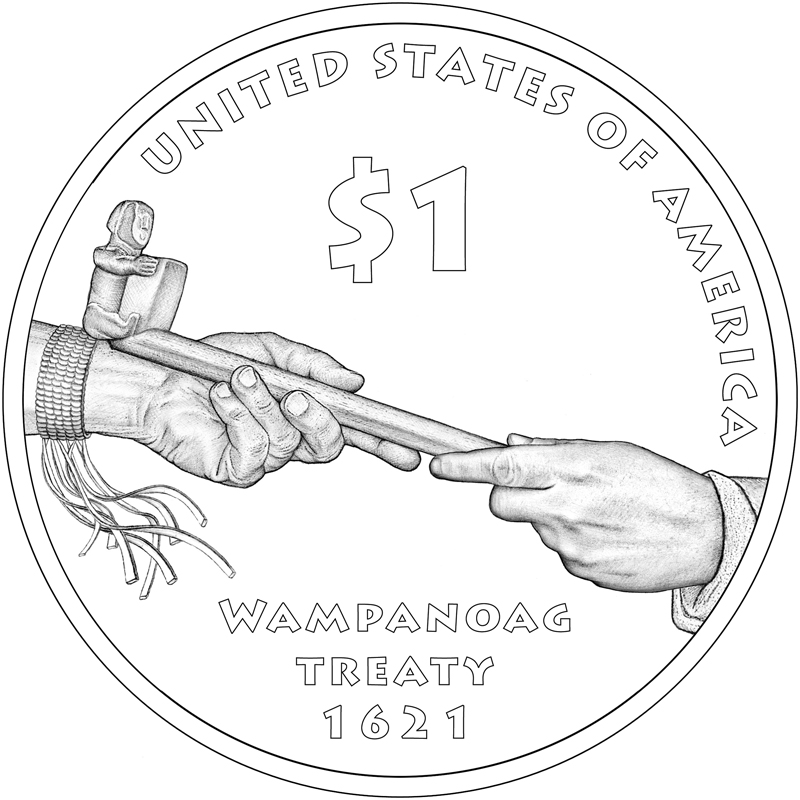
 For the third year of the Native American $1 Coin program, the theme for 2011 is “Supreme Sachem Ousamequin, Massasoit of the Great Wampanoag Nation Creates Alliance with Settlers at Plymouth Bay (1621)” celebrating one of the first peace treaties between the Native Americans and the Puritans who settled at Plymouth Bay. The reverse of the coin depicts the hands of the Supreme Sachem Ousamequin Massasoit and Governor John Carver symbolically offering the ceremonial peace pipe after the initiation of the first formal written peace treaty. The designs of the Native American coins have been so well thought out and executed that this one will be a wonderful addition to your collection.
Continuing the Presidential $1 Coin program, the 2011 coins will honor Presidents Andrew Johnson, Ulysses S. Grant, Rutherford B. Hayes, and James A. Garfield. History buffs will begin with President Johnson who was the first president that was impeached but not convicted, followed by three bearded Republicans who started and perpetuated reconstruction through the 19th century. The 2011 series ends with President Garfield whose 200 day term ended with his death on September 18, 1881.
Those collecting the First Spouse Gold Coins will have a year where all four issues will depict the First Lady’s of the era. Standing behind or along side the Presidents where Eliza Johnson, Julia Grant, Lucy Hayes, and Lucretia Garfield. Remember, if you cannot afford the gold coins, the U.S. Mint sells bronze medals using the same design but without the denomination.
Commemoratives
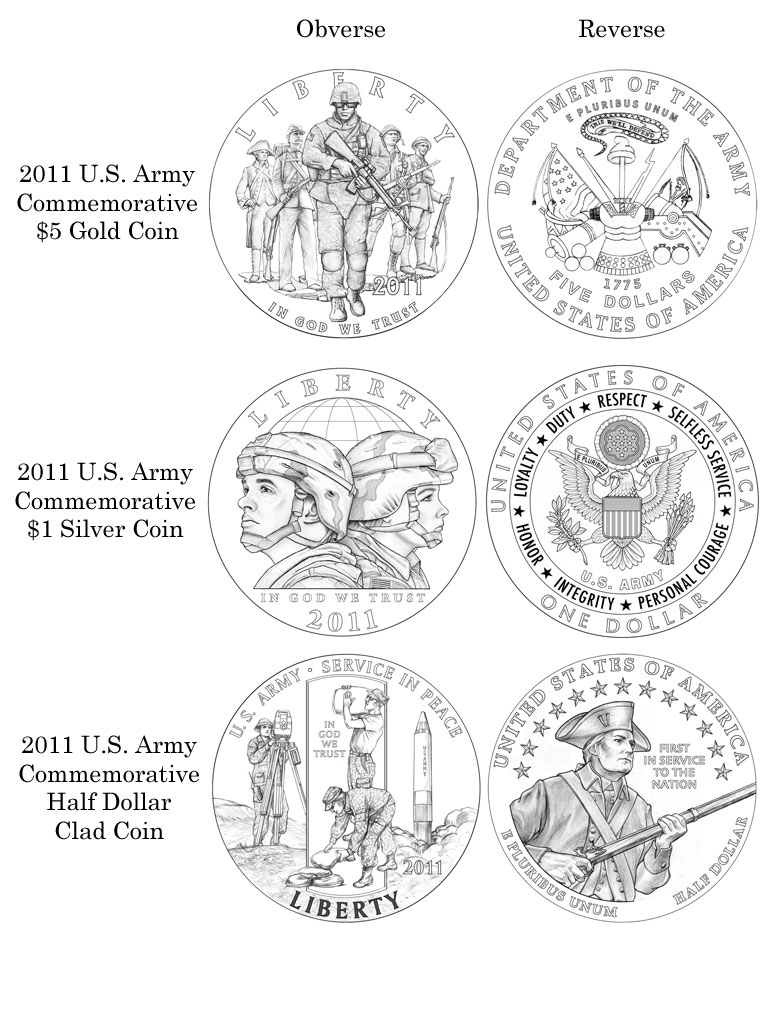
 Collectors of commemorative coins will have two multi-coin commemorative issues in 2011, both with a military theme. The first commemorative will be the United States Army Commemorative to honor the history of the U.S. Army from the Revolutionary War through today. The U.S. Army Commemorative will be a three-coin set consisting of a gold $5 proof, silver $1 proof, and cupronickel clad half-dollar proof. The obverse of the gold coin represents the U.S. Army’s war service from the Revolutionary War through today. It features a representation of Continental, Civil War, modern, World War II and World War I soldiers. The reverse is based on the official U.S. Army emblem and represents the unbroken history of loyalty and commitment to defend the Nation.
The obverse of the silver proof depicts the busts of a male and female soldier, symbolizing worldwide deployment of the 21st century U.S. Army. On the reverse, the design symbolizes the seven core values of the U.S. Army featuring an image of the Great Seal of the United States that has been worn on U.S. Army dress and service uniforms since the early 19th Century.
The obverse of the clad half-dollar proof represents the significant contributions of the U.S. Army during peacetime and features a U.S. Army soldier surveying, two servicemen building a flood wall and a Redstone Army rocket used during early space exploration. The reverse design symbolizes the U.S. Army as the first military service to defend the country and its key role in the Nation’s internal development. It features an enlisted Continental soldier armed with a musket and 13 stars representing the original Colonies.
Mintage is limited to 100,000 gold, 500,000 silver, and 750,000 clad coins. The sales price will include a $35 surcharge for each gold coin, a $10 surcharge for each silver coin, and $5 for each clad coin sold. Proceeds from the sales of this commemorative ($12.25 million if all coins are sold) will go to the construction of the National Museum of the United States Army.
 The other commemorative will be the 2011 Medal of Honor Commemorative Coin program. This two-coin set features a $5 gold proof and $1 silver proof coin. The obverse of the gold coin depicts the original Medal of Honor designed in 1861 by the U.S. Mint. The reverse design of the gold coin features Minerva, the Roman goddess wisdom and war, who is featured on the medals. Minerva is standing with a shield representing the Army and Navy in her right hand and the Union flag in her left hand. She is flanked by a field artillery cannon and wheel of the Civil War era.
The obverse of the silver commemorative coin will feature the three current Army, Navy, and Air Force medals with their ribbon and the connecting pad featuring 13 stars. Since the Medal of Honor is the only medal not pinned to the uniform, it was important to depict the ribbon that is used to wear the medal around the recipient’s neck. The reverse design depicts an Army infantry soldier carrying a wounded soldier to safety under enemy fire. This image conveys the courage, selfless sacrifice and patriotism of Medal of Honor recipients.
Mintage is limited to 100,000 gold and 500,000 silver coins. The sales price will include a $35 surcharge for each gold coin and a $10 surcharge for each silver coin sold. Proceeds for the sale ($8.5 million if sold out) will be distributed to the Congressional Medal of Honor Foundation to support their educational, scholarship and outreach programs.
It appears that 2010 was better than 2009 as the economy improved. Maybe there will be more of a recovery to help make 2011 even better.
Click on any image to see the larger version.
Coin images courtesy of the U.S. Mint.
Nov 29, 2010 | coins, foreign, nclt
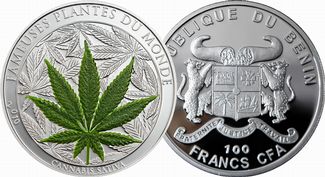
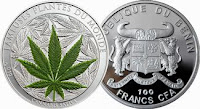 In scouring my email for whatever cyber bargains are out there, I received a note touting the 2010 Republic of Benin Plants of the World Scented Coins. Announced last March, the coins will represent four distinct plants of the world and their scents. Since the Republic of Benin is not exactly on my watch list, I was drawn read more when told that the scent was for Cannabis Sativa, more commonly known as marijuana!
The West African nation of Benin has joined Somalia, Palau, Cook Islands, and other small countries to produce coins with different designs and features to profit on the growing market in non-circulating legal tender (NCLT) coins. Not only is the plant of the reverse of the coin colored, but it is scented to smell like the plant. The scent is professionally mixed perfume that is embedded into the coloring that does not require the coin to be handled in order to smell the results.
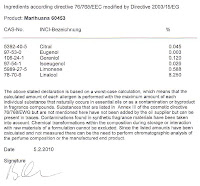 It is important to note that the scent does not contain tetrahydrocannabinol (THC) or any of the other cannabinoids that would cause problems at the airport or by law enforcement. Rather the fragrance is from synthetic materials that at worst could cause an allergic reaction.
The coins is silver plated over a copper-nickel base weighing 27 grams and is 28.61 mm in diameter. Its face value is 100 Francs CFA (about 20.2-cents in U.S. Dollars) and its production is limited to 2,500 pieces. Benin set the list price at $99.95, but it can be found for less, such as this online dealer.
This can be an interesting gift for your favorite numismatist, horticulturalist, or whomever this holiday season!
Images courtesy of Talisman Coins.
Nov 22, 2010 | advice, coins, commentary
The reports of my demise have been greatly exaggerated.
While that line in many forms have been credited to Mark Twain, I appreciate those who have written during my absence from writing. Thank you for your concern and I am glad that some here missed me!
My absence was because of a health scare that required my convalescence in a local hospital for the last 10 days. For those who have not yet experienced the recovery from a long illness, hospitals can be painful, frustrating, and frightening. Although my recovery was not in doubt, my wife and I had the discussion as to what to do if the next incident ended more tragically.
Those of us who are collectors may be the only one in our family who enjoy numismatics. We spend years collecting, accumulating, and appreciating the coins, notes, and other collectibles but when our time comes, we would like for those we love to carry on our passion. But seriously, if your family has not shown a real passion for your collection of has not started their own collection, it is likely that they will not be interested in anything other than selling your collection and moving on. It may be difficult to admit that the niece or grandson that appears to love to see your coins when they visit or is excited to receive a special numismatic gift may be more happy because of their interaction with you rather than your collection.
“I found your blog by searching for help,” opened one note. “My husband inherited coins from his grandfather and we would like to sell them.” The note goes on to explain how they know nothing about collecting coins and would just rather sell them. While I explain some of their options, one is always to save them and become a collector themselves. Few take that option.
This has become such an issue that there is now a book about selling the coins that you may have received from your late grandfather’s estate.
Be honest with yourself, does your family really want the coins or what the coins are worth. If you are not going to mind that they will sell your coins, then leave it to them. However, if they are not going to keep the collection and their disposition really matter to you, then you should figure out how to deal with them while you still can make the decision.
When my wife and I discussed estate planning, we talked about my rather large coin collection. I decided that as part of my estate plan, I am going to document how my collection will be disposed of when I can no longer enjoy it. While I will include gifts to some relatives, I will also include instructions as to what to do if the relatives are not planning on keeping the coins. I have counseled too many confused people to leave this up to chance. At least I know that if the coins are sold my heirs will receive proper value.
While I wish everyone a long, happy, and healthy life, we have to understand that life will end at some point. It is our responsibility to make sure that our heirs remember us fondly and not for the painstaking task of disposing of our collection.
Nov 10, 2010 | cash, coins, pocket change
The question of paper versus plastic is answered every time we go to pay for a purchase. Up until this year, you can perform an Internet search and find many articles and blog postings about how the use of credit cards and electronic payment systems will make the U.S. Mint and the Bureau of Engraving and Printing obsolete.
Many of those articles were written during allegedly good times when credit was easier to obtain with high credit lines and low monthly payments. Then we had a credit crisis caused by many things including our proclivity to take out the credit card for purchases. The credit market changed and most of us who had many credit cards are down to a few whether by choice or otherwise. Now, it appears that credit purchases are down and cash is king once again.
A new report says that while credit card payments have either stayed even, as in the case with American Express, or declines as in the case with Visa and MasterCard, the use of cash and debit cards have risen.
Consumer spending is up 2.2-percent this year with credit card transactions being down 1.2-percent. Debit card purchases is up 15-percent with the rest of the increase being cash. With the new credit card protection law allowing merchants to give a discount for using cash, small retailers have been starting to offer discounts while larger chains are discussing their next move in this area.
Are we really leading to an all-plastic economy? Both the U.S. Mint and the Bureau of Engraving and Printing are reporting higher production numbers for 2010 than they did in 2009. Discounting the striking of half-dollars and dollar coins, the U.S. Mint’s production is up almost 30-percent. Although the statistics from the BEP are not fully available, BEP Commissioner Larry Felix testified to the House Subcommittee on Domestic Monetary Policy and Technology that production is up from 2009.
For those of us who collect coins or notes, whether they are modern or classic, it is good to know that the U.S. Mint and the BEP will continue to produce products to feed our collecting habit. And that is something to be thankful for heading into this holiday season.
Oct 22, 2010 | coins, commemorative, history
Starting at the turn of the 19th century, scientists inspired by Benjamin Franklin’s study of electricity started to look at ways that electricity could be generated and its energy turned into light. The idea that a lamp could be created that used electricity for use in coal mines. Oil and gas lamps were credited with causing a rash of explosions in Europe and alternatives were needed.
It started with Sir Humphry Davy, a British chemist who is credited with the discovery of alkali metals whose properties could generate electricity. Davy experimented with different filaments and containers to make a lamp that could be used in the mines. Davy Lamp was not successful, but began a century of experimenting with electricity.

Edison in 1878
Building on a half-century of research, Thomas Edison experimented with different filaments, eventually settling on a carbon filament. Edison held the first successful test on October 22, 1879. It lasted 40 hours. Later, Edison and his team would discover materials that would last over 1,200 hours.
Even though Edison did not invent the lightbulb, his significant improvements to the design of the lightbulb raised public consciousness on the wonder of the electric light branding him as the inventor of the lightbulb. It was one of over 1,300 inventions during a remarkable career.
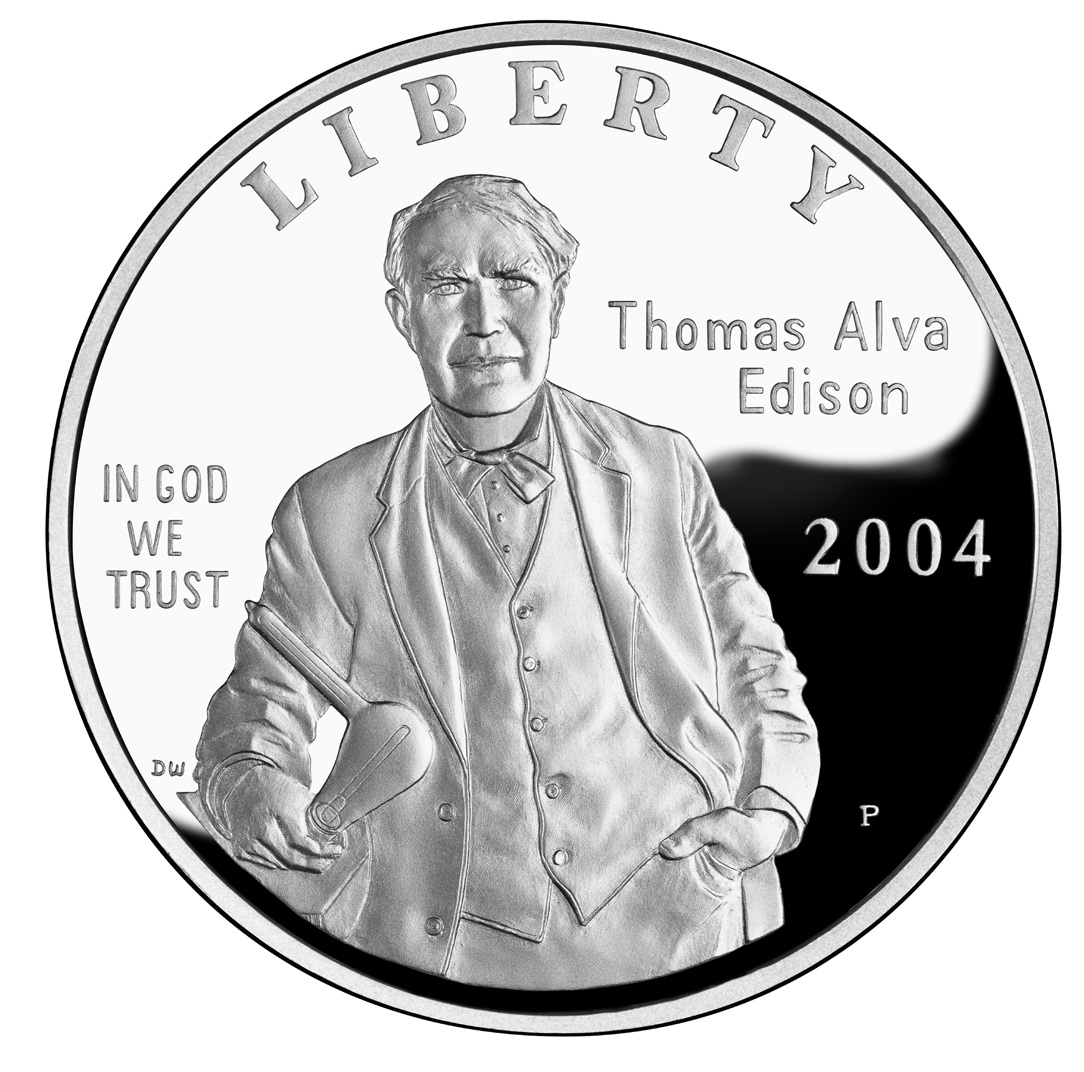
In 1988, the 105th congress passed the “Thomas Alva Edison Commemorative Coin Act” (Public Law 105-331 [text] [pdf]). The law called for a $1 silver commemorative issued in 2004 to honor the 125th anniversary of the “invention of the lightbulb.”
The design of the 2004 Thomas Alva Edison Commemorative Coin depicts a portrait of Thomas Edison holding an early experimental lightbulb. It was designed by U.S. Mint Engraver Donna Weaver. The reverse depicts Edison’s first lightbulb and designed by John Mercanti. These commemoratives were struck at the Philadelphia Mint and was sold out.
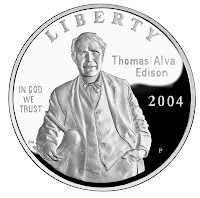
Obverse Designed by Donna Weaver

Reverse designed by John Mercanti
Coin images courtesy of the U.S. Mint.
Oct 14, 2010 | coins, commemorative, legislative
As we know, the U.S. Mint does exactly what it is told by law. In order to understand what the U.S. Mint will do in the future is to follow what coin-related laws are introduced and passed. Watching congress could be a sport in itself but for our purposes, we limit the watching to legislation concerning coin and U.S. Mint. Since congress is in recess until November and the 111th congress getting ready to adjourn for the last time before the 112th congress begins on January 3, 2011, it appeared to be a good time to review their numismatic-related work.
Bills Passed Into Public Law
These are the bills that have passed both houses of congress and sent to the President for his signature.
Girl Scouts USA Centennial Commemorative Coin Act
Introduced by Jack Kingston (R-GA) as H.R.621
Became Public Law No: 111-86 [txt, pdf] on 10/29/09
One coin issued in 2013:
- 350,000 $1 silver coins
Surcharges paid to the Girl Scouts of the United States of America
- $10 per coin for the $1 silver coin
Medal of Honor Commemorative Coin Act of 2009
Introduced by Christopher Carney (D-PA) as H.R.1209
Became Public Law No: 111-91 [txt, pdf] on 11/6/09
Two coins issued in 2011:
- 100,000 $5 gold coins
- 500,000 $1 silver coins
Surcharges paid to the Congressional Medal of Honor Foundation
- $35 per coin for the $5 gold coin
- $10 per coin for the $1 silver coin
Coin Images→Medal of Honor Commemorative $5 Gold Coin — Medal of Honor Commemorative $1 Silver Coin
Star-Spangled Banner Commemorative Coin Act
Introduced by Dutch Ruppersberger (D-MD) as H.R.2097
Became Public Law No: 111-232 [txt, pdf] on 8/16/10
Two coins issued in 2012:
- 100,000 $5 gold coins
- 500,000 $1 silver coins
Surcharges paid to the Maryland War of 1812 Bicentennial Commission
- $35 per coin for the $5 gold coin
- $10 per coin for the $1 silver coin
5-Star Generals Commemorative Coin Act
Introduced by Dennis Moore (D-KS) as H.R.1177
Became Public Law No: 111-262 [txt, pdf] on 10/8/10
Three coins issued in 2013:
- 100,000 $5 gold coins
- 500,000 $1 silver coins
- 750,000 half-dollar clad coins
Surcharges paid to the Command and General Staff College Foundation
- $35 per coin for the $5 gold coin
- $10 per coin for the $1 silver coin
- $5 per coin for the half dollar clad coin
Bills Passed by the House and Referred to the Senate
These are the bills that have gone through the legislative process in the House of Representatives, have been enrolled, and sent to the Senate for their action. Coin bills in the Senate are referred to the Committee on Banking, Housing, and Urban Affairs.
Mother’s Day Centennial Commemorative Coin Act
Introduced by Shelly Capito (R-WV) as H.R.2421
Passed by House on 5/6/10
One coin issued in 2014:
- 400,000 $1 silver coins
Surcharges paid to Susan G. Komen for the Cure and National Osteoporosis Foundation
- $10 per coin for the $1 silver coin
American Eagle Palladium Bullion Coin Act of 2010
Introduced by Denny Rehberg (R-MT) as H.R.6166
Passed by House on 9/29/10
Adds a $25 palladium bullion coin to the American Eagle Bullion Program. The bill requires the design to be as follows:
- Obverse same as Mercury Dime
- Reverse design of the 1907 American Institute of Architects medal
Coin Modernization, Oversight, and Continuity Act of 2010
Introduced by Melvin Watt (D-NC) as H.R.6162
Passed by House on 9/29/10
Requires the U.S. Mint to research minting metals used for coining money. Sets the study length to two years and requires the U.S. Mint to tie the research to Mint production. Bill includes two technical changes:
- Changes the American Eagle Bullion Program to allow the U.S. Mint to divert materials to strike collectibles
- Changes the National Park Bullion program to allow the U.S. Mint change the size of the planchet from 2.5 to 3.0 inches
Sources report that these three bills are expected to pass the Senate during the lame duck session.
Bills Introduced in the House of Representatives
Any member of the House of Representatives can submit a commemorative coin bill. All they have to do is format the bill correctly and drop it into the hopper where the Clerk of the House assigns a bill number and sent to the Speaker of the House who assigns the bill to a committee. Commemorative coin bills are assigned to the Domestic Monetary Policy and Technology subcommittee under the Committee on Financial Services. It is up to the chairman of the committee and subcommittee to determine whether the bill will be scheduled for debate or tabled indefinitely.
Bills not acted upon do not carry over between congresses meaning if they are not passed into law, they will not be part of the 112th congress unless they are introduced during that session. These bills are said that they “died in committee.”
The following bills are not coin or numismatic-related bills but they are of interest to collectors and investors:
Free Competition in Currency Act of 2009
Introduced by Ron Paul (R-TX) as H.R.4248 on 12/9/2009 and referred to the Subcommittee on Commercial and Administrative Law. The basic provisions of this bill is as follows:
- Calls for the elimnation of all taxes on the sale and tranfer of bullion and coins
- Changes the law to allow precious metals to be used as coins or a medium of exchange. This was introduced after the Justice Department stopped the production of the Amero as being illegal.
Coin and Precious Metal Disclosure Act
Introduced by Anthony D. Weiner (D-NY) as H.R.6149 on 9/16/2010 and referred to the House Committee on Energy and Commerce. Bill is intended as a consumer protection law that requires sellers of precious metal coins and bullion to provide additional information to the potential buyer. Sometimes referred to as the Goldline Act since Rep. Weiner has targeted Goldline in his commentary regarding this bill, there are side effects that may impact coin dealers that are not part of Rep. Weiner’s target.
Small Business Paperwork Mandate Elimination Act
Introduced by Dan Lungren (R-CA) as H.R.5141 and referred to the House Committee on Ways and Means. This is the bill that will remove the requirement to report all goods and services purchased in excess of $600 with an IRS 1099 form beginning in 2012 that was part of the health care reform legislation. Almost everyone in almost every industry is in favor of this bill’s passage. Sen. Mike Johanns (R-NE) has introduced S.3578 as a companion bill in the Senate. Sources report that one of the bills will be passed in the lame duck session. However, there is a concern that the President may veto the legislation if the revenues are not made up elsewhere.
The following commemorative coin bills have been introduced and are in committee waiting for action:
- NASA 50th Anniversary Commemorative Coin Act — Introduced by Sheila Jackson-Lee (D-TX) as H.R.255 on 1/7/2009
- Mark Twain Commemorative Coin Act — Introduced by John Larson (D-CT) as H.R.1195 on 2/25/2009
- Revolutionary War and War of 1812 Battlefields Commemorative Coin Act of 2009 — Introduced by Rush Holt (D-NJ) as H.R.2001 on 4/21/2009
- Robert M. La Follette, Sr. Commemorative Coin Act — Introduced by Tammy Baldwin (D-WI) as H.R.2318 on 5/7/2009
- United States Marshals Service 225th Anniversary Commemorative Coin Act — Introduced by John Boozman (R-AR) as H.R.2799 on 6/10/2009
- Ronald Reagan Commemorative Coin Act of 2009 — Introduced by Robert E. Latta (R-OH) as H.R.3341 on 7/24/2009
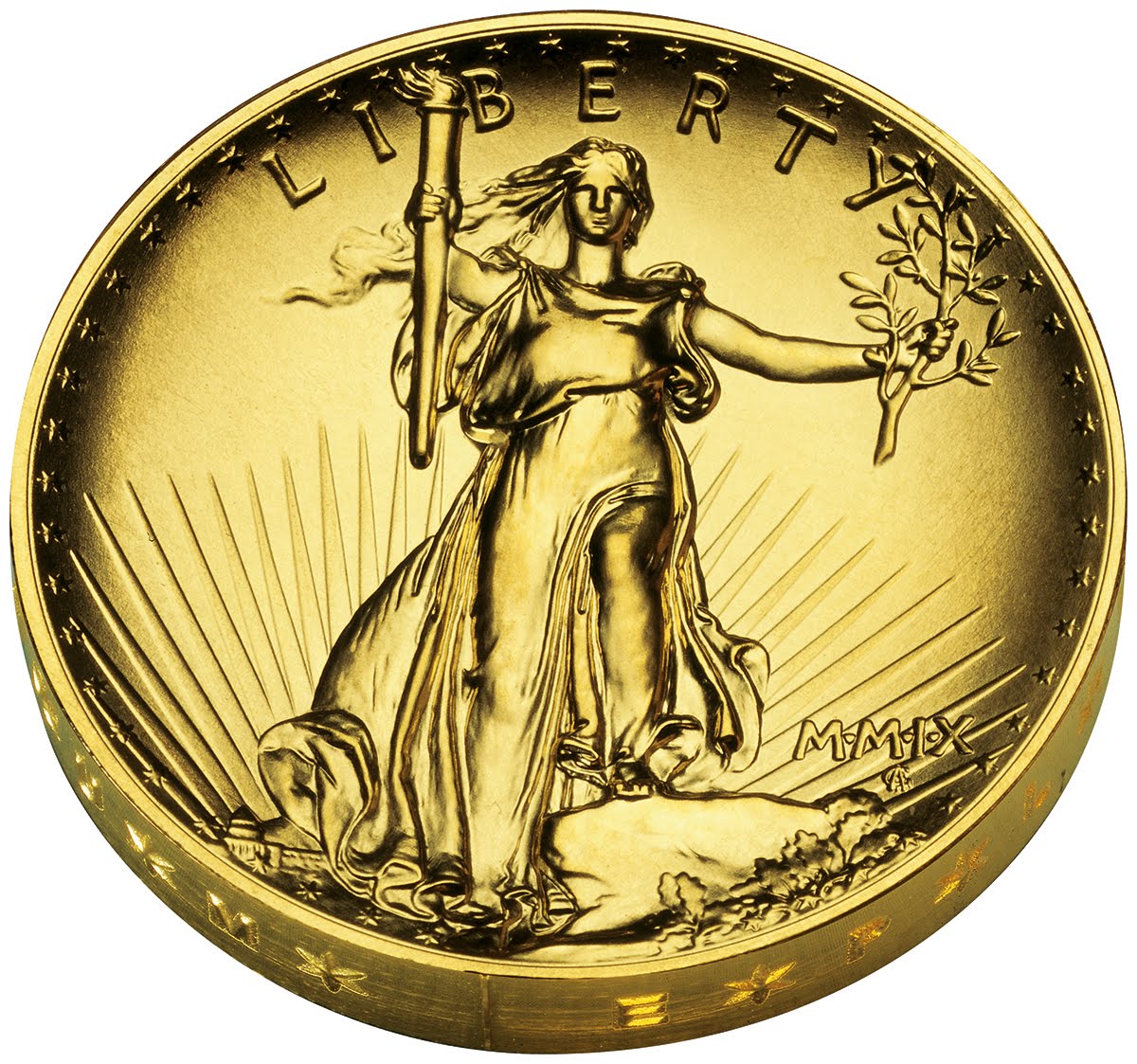
- Original Saint-Gaudens Double Eagle Ultra-High Relief Bullion Coin Act of 2009 — Introduced by Denny Rehberg (R-MT) as H.R.3405 on 7/30/2009
- National Future Farmers of America Commemorative Coin Act of 2009 — Introduced by Bruce L. Braley (D-IA) as H.R.3464 on 7/31/2009
- National September 11 Memorial & Museum Commemorative Coin Act of 2009 — Introduced by Jerrold Nadler (D-NY) as H.R.3549 on 9/10/2009
- 1863 Gettysburg Campaign Act — Introduced by Todd Russell Platts (R-PA) as H.R.3712 on 10/1/2009
- International Civil Rights Center and Museum Commemorative Coin Act — Introduced by Brad Miller (D-NC) as H.R.3912 on 10/22/2009
- James Monroe Commemorative Coin Act — Introduced by Robert J. Wittman (R-VA) as H.R.4329 on 12/16/2009
- United States Marshals Service 225th Anniversary Commemorative Coin Act — Introduced by John Boozman (R-AR) as H.R.5680 on 7/1/2010
Bills Introduced in the Senate
Article I, Section 7 of the U.S. constitution says “All Bills for raising Revenue shall originate in the House of Representatives.” Since all commemorative coin bills raise revenue, they must originate in the House. However, it is common for senators to introduce bills to influence their House counterparts to introduce a similar bill or they will introduce a companion bill in support. Very few of the coin-related bills introduced in the Senate become law. Those that do become law are amended versions of the House bills passed in the Senate and sent back to the House for a vote—usually with concurrence of the House leadership. This process eliminates the need for a conference committee to reconcile bills.
Coin-related bills introduced in the Senate are assigned to the Committee on Banking, Housing, and Urban Affairs. The following list are the bills that have been introduced in the Senate with the compaion bills that have become law removed:
- Mark Twain Commemorative Coin Act — Introduced by Christopher J. Dodd (D-CT) as S.483 on 2/25/2009
- Original Saint-Gaudens Double Eagle Ultra-High Relief Bullion Coin Act of 2009 — Introduced by Max Baucus (D-MT) as S.758 on 4/1/2009
- Robert M. La Follette, Sr. Commemorative Coin Act — Introduced by Russell D. Feingold (D-WI) as S.945 on 4/30/2009
- Mother’s Day Centennial Commemorative Coin Act — Introduced by John D. Rockefeller (D-WV) as S.1012 on 5/7/200
- Fair Treatment for Precious Metals Investors Act — Introduced by Mike Crapo (R-ID) as S.1367 on 6/25/2009
- National Future Farmers of America Commemorative Coin Act of 2009 — Introduced by Chuck Grassley (R-IA) as S.1553 on 7/31/2009
- Options for Investors through United States Certified Coins Act of 2009 — Introduced by David Vitter (R-LA) as S.1769 on 10/8/2009
- International Civil Rights Center and Museum Commemorative Coin Act — Introduced by Kay Hagan (D-NC) as S.1819 on 10/21/2009
- United States Marshals Service 225th Anniversary Commemorative Coin Act — Introduced by Blanche L. Lincoln (D-AR) as S.2106 on 10/29/2009
- 1863 Gettysburg Campaign Act — Introduced by Arlen Specter (D-PA) as S.3009 on 2/11/2010
- United States Marshals Service 225th Anniversary Commemorative Coin Act — Introduced by Blanche L. Lincoln (D-AR) as S.3572 on 7/13/2010
Oct 13, 2010 | coins, COTY, foreign
Krause Publications has announced the nominations for the 2011 Coin of the Year awards. COTY awards are made in 10 categories and the overall winner announced from the winners of each category. Krause also holds a People’s Choice poll on numismaster.com. Voting for the People’s Choice will begin later this year.
Winners will be announced in January 2011 at the World Money Fair in Berlin, Germany.
The following are the nominees as published by Krause. One coin from each group was selected to represent the group. My coin selection does not mean I endorse the coin for that class. My choice was a matter of what looked interesting and the images I could find on the Internet.
Most Historically Significant Coin
- Turkish State Mint – 50 Lira, Silver, Mecca Grand Mosque Coin, KM# 1257
- Kazakhstan Mint – 100 Tenge, Silver, Attila the Hun, KM# 125
- British Royal Mint – 5 Pounds, Silver, 500th Anniversary of Henry the Eighth
- Italian State Mint – 5 Euro, Silver, 300th Anniversary of the Discovery of Herculaneum KM# 315
- German Federal Ministry of Finance – 10 Euro, Silver, 400th Anniversary of the Birth of Johannes Kepler, KM# 280
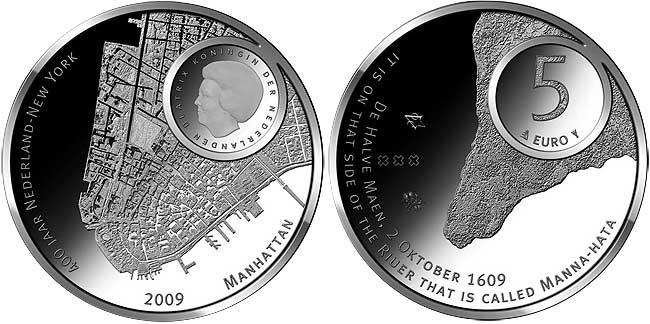
- Netherlands – 5 Euro, Silver, 400th Anniversary of the Island of Manhattan, KM# 282
- Austrian Mint – 10 Euro, Silver, Richard the Lionheart, KM# 3180
- Hungarian Mint – 500 Forint, Silver, John Calvin, KM# 827
- Falkland Islands (Pobjoy Mint) – 1 Crown, Silver, Charles Darwin
- Romania – 10 Lei, Silver, Tropaeum Traiani, KM # 257
Best Contemporary Event Coin
- German Federal Ministry of Finance – 10 Euro, Silver, Centennial of Aviation, KM# 281
- British Antarctic Territory (Pobjoy Mint) – 2 Pounds, Silver, 50th Anniversary of the Antarctic Treaty
- China Great Wall – 10 Yuan, Silver, Beijing Coin Fair
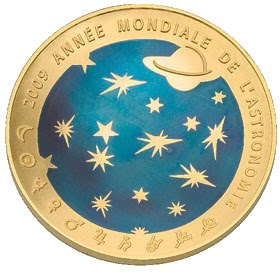
- Austrian Mint – 25 Euro, Silver ring Niobium center, International Year of Astronomy, KM#3174
- Royal Australian Mint – 50 Cents, Moon Landing, KM# 1432
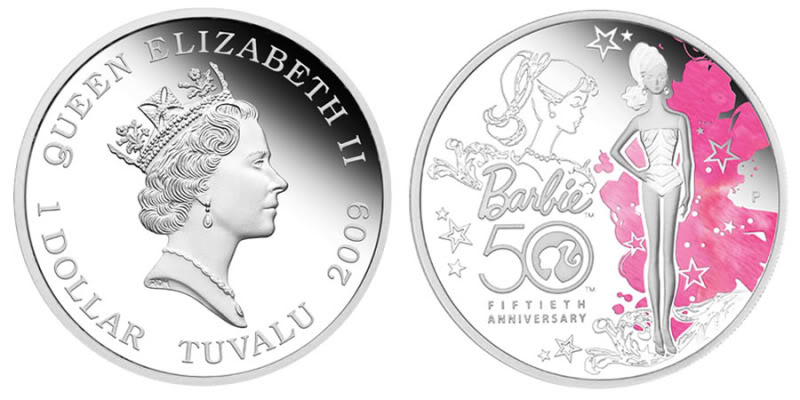
- Tuvalu (Perth Mint) – One Dollar, Silver, 50th Anniversary of Barbie Doll, KM#80
- Monnaie de Paris – 10 Euro, Silver, Fall of the Berlin Wall, KM # 1591
- Czech Mint – 200 Korun, Silver, North Pole Exploration, KM # 107
- Cook Islands (Coin Invest Trust) – 5 Dollars Copper-Plated Silver, Mars Exploration, KM# 681
- Japan Mint – 1,000 Yen, Silver, Niigata Prefecture Coin, Y # 150
Best Gold Coin
- Canadian Mint – 2,500 Dollars, Modern Canada, KM# 902
- Japan Mint – 10,000 Yen, 20th Anniversary of the Emperor’s Enthronement, KM#158
- South African Mint – 100 Rand, Natura Gold Rhino Coin, KM# 474
- Israel Coins and Medals Corp. – 10 New Sheqalim, Sampson and the Lion, KM#465
- Turkish Mint – 200 Lira, Barrack Obama Visit , KM# 1246
- Mint of Poland – 200 Zlotych, 180th Anniversary of the Central Bank, Y#677
- U.S. Mint – 20 Dollars, Saint-Gaudens Ultra-High Relief, KM # 464
- Kazakhstan Mint – 500 Tenge, Biathalon, KM # 127
- Palau (Coin Invest Trust) – One Dollar, Fountain of Trevi, KM # 241
- China Gold Coin – 2,000 Yuan, Year of the Ox, KM # 1885
Best Silver Coin
- Ukrainian Mint – 5 Hryven, International Year of Astronomy, KM # 557
- Turkish Mint – 50 Lira, Seedling With Water, KM # 1256
- Mint of Poland – 10 Zlotych, Hussar Knights, Y # 671
- Austrian Mint – 5 Euro, Tyrolean Freedom Fighters, KM # 3177
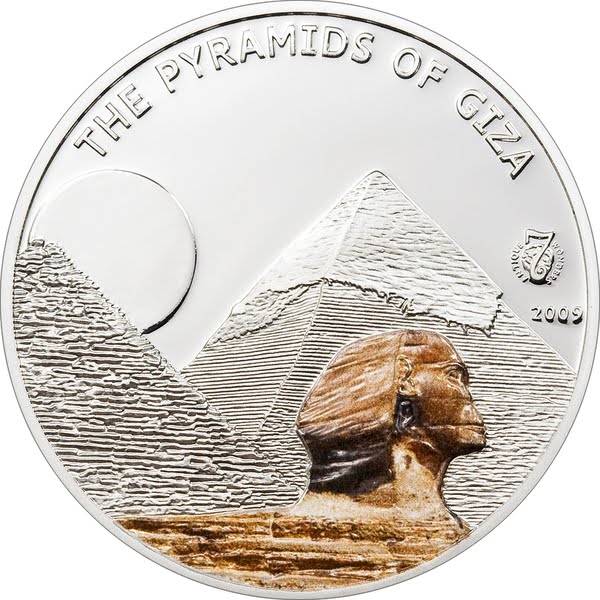
- Palau (Coin Invest Trust) – 5 Dollars, Wonders of the World, Pyramids, KM # 208
- Italian State Mint – 5 Euro, Centennial of Cycling, KM # 313
- National Bank of Macau, 20 Patakas, Year of the Ox, KM # 145
- Royal Canadian Mint – 20 Dollars, Crystal Snowflake, KM # 944
- Japan Mint – 1,000 Yen, Ibaraki Prefecture Coin
- Bank of Russia – 100 Rubles 300th anniversary Battle of Poltava Y#1179
Best Crown Coin
- Bank of Lithuania – 50 Litu, Silver, Tytuvenai Church, KM # 164
- Hungarian Mint – 3,000 Forint, Silver, 250th Anniversary of Birth Ferenc Kazinczy, KM # 817
- Cook Islands – 5 Dolla,r Silver, Anteater Coin, KM # 674
- Royal Canadian Mint – 15 Dollars, Silver, George VI, KM # 922
- Mint of Finland – 20 Euro, Silver, Peace and Security Coin, KM #
- Monnaie de Paris – 10 Euro, Silver, International Year of Astronomy, KM # 1621
- Royal Australian Mint – 5 Dollars, Silver, Antarctic Explorers
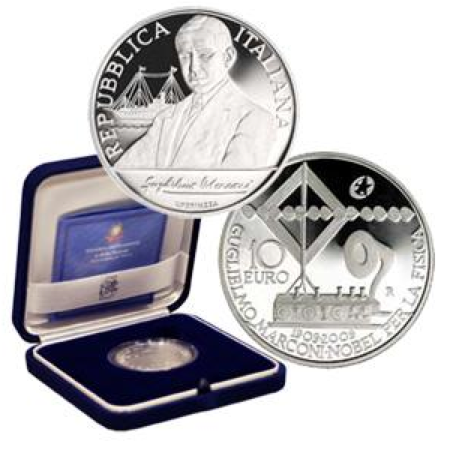
- Italian State Mint – 10 Euro, Silver, Marconi, KM # 317
- Japan Mint – 1,000 Yen, Silver, Nagano Prefecture, Y # 148
Best Trade Coin
- National Bank of Lithuania– 1 Litas, Copper-Nickel, Vilnius – European Capital of Culture, KM # 162
- Latvian Mint – 1 Lats, Copper-Nickel, Namejs Ring, KM # 101
- Japan Mint – 500 Yen, Nickel-Brass, 20th Anniversary of the Emperor’s Enthronement Y#157
- National Bank of Slovakia – 2 Euro Coin, Bimetallic, First Year of Euro Issuance, KM # 102
- National Bank of Sweden – One Krona, Copper-Nickel, Horizontal Waves, 200th Anniversary of Separation from Finland, KM #916
- Banco de Mexico – 5 Pesos, Bimetallic, KM# 912
- Mint of Poland – 2 Zlote, Brass, Czeslaw Niemen, Y# 684
- U.S. Mint – One Cent, Copper-Coated Zinc, New Lincoln Seated on Log, KM # 442
- British Royal Mint – 50 Pence, Copper-Nickel, Kew Botanical Gardens, KM # 1114
- National Bank of Panama – 50 Centesimos, Copper-Nickel, 100th Anniversary of the National Bank, KM # 139
Most Popular Coin
- Hungarian Mint – 200 Forint, Bimetallic, Danube Ridge KM # 826
- U.S. Mint – One Dollar, Copper-Zinc-Manganese-Nickel Clad, Sacagawea Dollar, KM # 467
- Kazakhstan Mint – 50 Tenge, Copper-Nickel, 100th Anniversary of T. Bassenov Birth
- Latvian Mint – 1 Lats, Silver, Pig, My Dream Coin, KM # 100
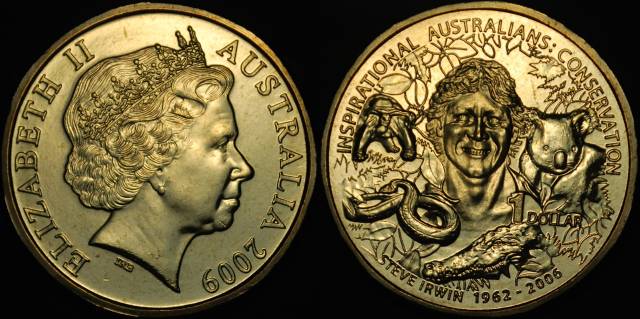
- Royal Australian Mint – One Dollar, Aluminum-Bronze, Steve Irwin, KM # 1429
- Austrian Mint – 10 Euro, Silver, Basilisk Coin, KM# 3176
- National Bank of India – 5 Rupees, Nickel-Brass, St. Alphonsa, KM # 365
- U.S. Mint – 25 Cents, Copper-Nickel Clad, Puerto Rico Quarter, KM # 446
- Royal Canadian Mint – 50 Cents, Silver, Lenticular, Montreal Canadiens Hockey, KM # 847
Most Artistic Coin
- Italian State Mint – 5 Euro, Silver, 300th Anniversary Discovery of Herculaneum Under Volcanic Ash
- Palau (Coin Invest Trust) – 10 Dollar, Silver, Tiffany Art Baroque, KM# 219
- Cook Islands (Coin Invest Trust) – Silver Cloisonne, The Pansy Coin, KM # 684
- Royal Canadian Mint – 300 Dollar, Gold, Summer Moon Mask, KM # 877
- China Gold Coin – 50 Yuan, Silver, Outlaws of the Marsh, KM # 198
- National Bank of the Republic of Belarus – 20 Rubles, Silver, Honeybees and Apple trees, KM # 203
- Monnaie de Paris – 10 Euro, Silver, Modern Sower, KM # 1580
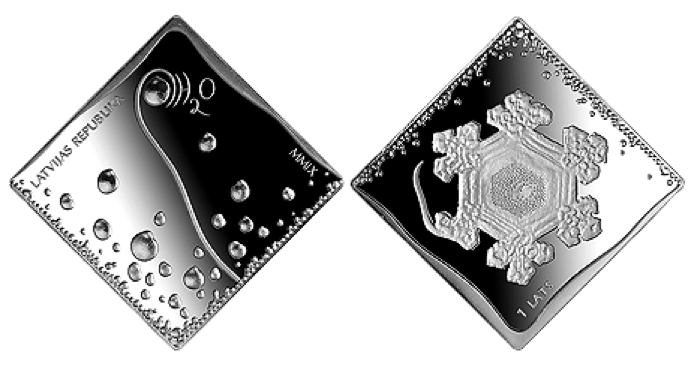
- National Bank of Latvia – 1 Lats, Silver, Water Droplet Coin, KM # 104
- Austrian Mint – 20 Euro, Silver, Electric Railway, KM # 3178
- National Bank of Singapore, 10 Dollars, Silver, Year of the Ox, KM #297
Most Innovative Coin
- Palau (Coin Invest Trust) – 5 Dollars, Silver, Heat Sensitive Thermo Chick
- Democratic Republic of the Congo – 25 Francs, Acrylic, His Majesty’s Bark Endeavor
- British Indian Ocean Territory (Pobjoy Mint) – 2 Pounds, Silver and Crystal, Life of the Sea Turtle
- Monnaie de Paris – 200 Euro Colorized Gold, International Year of Astronomy Convex Coin, KM # 1624
- Cook Islands – 10 Dollars, Silver, Pop-up Coin, Kaiser Wilhelm Memorial Church, KM # 693
- Cook Islands – 5 Dollars, Silver, Star of the Magi, Star-Shaped, KM # 644
- Palau (Coin Invest Trust) – 5 Dollars, Silver, Scent of Paradise, KM # 179
- Cook Islands (Coin Invest Trust) – 5 Dollars, Silver, Fly Me to the Moon with Piece of Moon
Most Inspirational Coin
- Monnaie de Paris – 20 Euro, Silver, Mother Teresa and Child
- Royal Canadian Mint – 50 Cents, Copper-Nickel, Six-String Nation Guitar, KM#887
- U.S. Mint – One Dollar, Silver, Louis Braille, KM # 455
- Mint of Poland – 10 Zlotych silver, World War II Polish Underground, Y#708
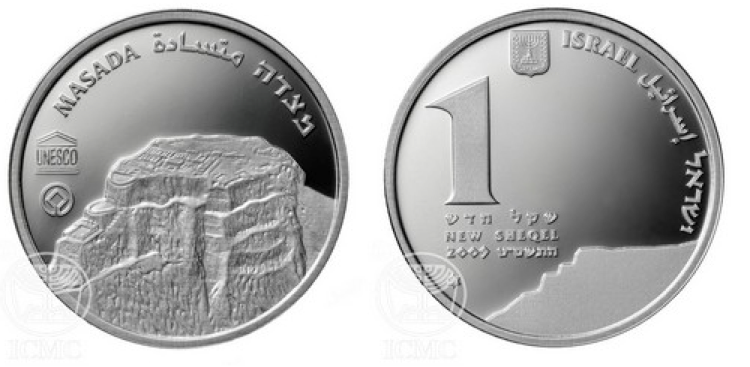
- Israel Coins and Medals – 1 New Sheqel, Silver, Masada Unesco Heritage Site, KM # 453
- Andorra Mint – 2 Diners, Gold, Charlemagne
- Kazakhstan Mint, 500 Tenge, Silver, Nur Astana Mosque, KM # 139
All images are courtesy of their respective mints, central banks, and distributors. Images are used for news reporting only and are not to be considered an endorsement by or for the Coin Collector’s Blog.
Sep 20, 2010 | coins, legislative, policy
Collectors have very few friends in congress. In most cases, members of congress usually do not care for collectors. While some will sponsor and promote a few commemorative issues, most of the time they are interested in promoting the cause that will receive the surcharges from the sales. But for 18 years, numismatist have had one friend in congress: Mike Castle (R-DE).
Michael Newbold Castle, 71, from Wilmington, has been the representative at-large from Delaware since 1993. As a direct descendant of Benjamin Franklin, Castle has worked in public service in Delaware since serving as Deputy Attorney General in 1965-1966. Castle rose through the ranks by being elected to the Delaware State Legislature, State Senate, Lieutenant Governor, Governor, then U.S. Representative. His long service to Delaware is legendary. But that was not enough for Castle to win the Republican primary for the U.S. Senate last week.
Castle has made his first indelible mark on numismatics within a few years of his arrival in the House. In 1996, Castle consolidated several commemorative requests into the United States Commemorative Coin Act of 1996 which became Public Law Number 104-329 ([text] [pdf]). This act authorized the following commemorative coins:
- 1997 Franklin Delano Roosevelt
- 1997 Jackie Robinson
- 1997 National Law Enforcement Officers Memorial
- 1998 Black Revolutionary War Patriots
- 1999 Dolley Madison
- 1999 George Washington Bicentennial of his Death
- 1999 Yellowstone National Park
The Commemorative Coin Act of 1996 also included a “study” that lead to the 50 States Commemorative Coin Program Act, Public Law Number 105-124 ([text] [pdf]). Aside from creating the 50 State Quarters Program, the law also authorized the Sacagawea Dollar and the 2003 First Flight Commemorative. Castle worked with the American Numismatic Association and other numismatic organizations to craft a bill that lead to one of the biggest increase in numismatic interests ever. The 50 State Quarters program was one of the most successful programs ever.
Another idea of Mike Castle’s was a coin series to honor past presidents. Castle first introduced the Presidential $1 Coin Act of 2005 in the house (as H.R. 902). Even those the version introduced in the senate was the one that eventually became Public Law 109-145 ([text] [pdf]), it was Castle’s idea.
Probably the last significant piece of coin legislation that Castle will sponsor is the America’s Beautiful National Parks Quarter Dollar Coin Act of 2008, Public Law Number 110-456 ([text] [pdf]). As a follow-up to the 50 State Quarter program, the America the Beautiful Quarters® Program will feature reverse designs of national parks or other national sites from all 50 states, the District of Columbia, and the U.S insular territories. The program started this year and will run through 2021.
Mike Castle will not appear on a ballot for the first time since 1966. His current term in the House of Representatives will end on January 3, 2011. He ends his career in the House being recognized as the numismatists’ friend after working on the passage of landmark coin-related legislation aimed at the collector. For his service to our hobby, I honor Castle’s accomplishment and wish him well in his (forced) retirement.
Aug 15, 2010 | coins, love token
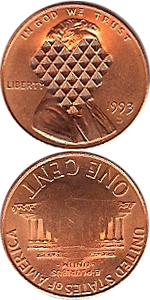
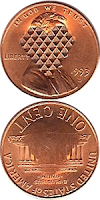 As I was going through my email and found a note from a reader who sent images of a 1993-D Lincoln cent where it looks like someone used a punch to create a heart design in the center of the coin (see image to the right). The reader asked if this may have been the result of the U.S. Mint trying to deface the coin and why it was placed into circulation. I was also asked if the coin had value—which is a natural question.
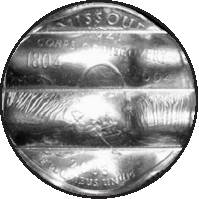
As the reader suggested, the markings are post minting but they were not made by the U.S. Mint. When the Mint cancels a coin they will run it through a machine that creates a waffle-like impression in the coin. Up until 2003, when the quality control officers at the U.S. Mint would remove coins from being circulated, they were separately bagged and placed under heavy guard between the Mint and the recycling center.  The security for coins that would never be circulated was costly. In mid-2003, the U.S. Mint purchased machines that will make the waffle-like impression as a way of defacing the coins to cancel them. These coins are called waffle cancelled. Later that year, the Mint sold these coins to a dealer who encapsulated them and sold them for a premium.
My first impression was that the person who stamped the design on this coin was a modern day love token. Love Tokens are not as popular as they were in the 19th century. Love tokens are circulated coins that were smoothed by sanding or polishing on one or both sides of the coin and then a design hand engraved into the coin. They were called love tokens because they were used as gifts to show love or affection for the person. Love tokens were popular in Great Britain in the early part of the 19th century and their popularity in the United States occurred after the Civil War through the end of the century.
Love tokens were engraved on any coin found in pocket change. Depending on the financial status of the engraver, smaller denominations coins were very popular. When wages were averaging 10 to 15-cents per day, it was difficult to justify higher denomination coins to engrave.
It is typical for love tokens to have a hole punched in the top of the design to be work around the neck. More “expensive” love tokens may have a loop or bezel attached to the top so that the design stands out from the chain. Others who could afford larger, higher denomination coin and could afford to add a pin to the back to wear on a lapel. Love tokens were also made into chains and bracelets. Mothers sometimes had bracelets that had love tokens with the initials of their children.
Each love token is a personal story of a gift given in love. It is rare that these coins have a documented provenance leaving collectors to speculate the meaning behind the fascinating designs. If you are interested in love tokens, you may want to check out the website for the Love Token Society.
Like love tokens, we can only speculate as to why someone punched the heart into the coin and why it ended up in circulation. I hope its appearance in circulation does not represent a rejection of an interesting gift.
Waffle cancelled Missouri Quarter from The Columbus Dispatch.





 Loading ...