Sep 30, 2020 | coins, commentary
Over the last few weeks, I have been posting and watching the chatter on social media about the current offerings by the world’s mints. Given the opportunity, I engaged several people to conduct an informal poll. I did not define specific questions. I allowed people to discuss and argue about what they really think. Based on these conversations, here is what I learned.
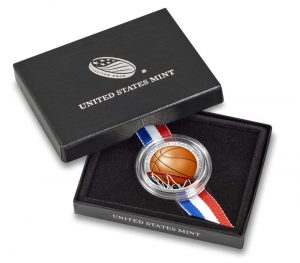
Basketball Hall of Fame 2020 Colorized Half Dollar (U.S. Mint Image)
Although those favored using color as an enhancement, an overwhelming majority did not like all printed coins. Many of the complaints came from the lenticular coins from Canada. And while most would not purchase many of the coins with comic book themes, the only objections were the printed designs.
Few people objected to the commercial themes used on coins. Whether the coins celebrate Star Trek or Star Wars, the only difference was if the collector wanted to be beamed up or was with the Force. Those who did not like colored coins would be interested in coins struck using these themes.
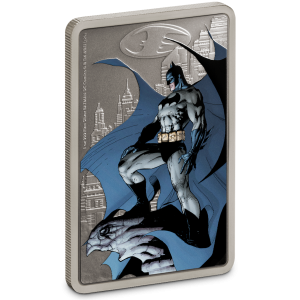
Niue $2 THE CAPED CRUSADER™ – GOTHAM CITY™ 1oz Silver Coin (Image courtesy of the New Zealand Mint)
Last week, I talked with someone about classic rock, which was wearing a Kiss tour jacket. He expressed excitement at finding the Kiss Challenge Coins online. He also mentioned challenge coins and medals from other bands. After our conversation, I searched online for the information. I found that Kiss authorized four challenge coins with each member’s image plus one for Eric Carr, the late drummer who died in 1991. Exonumia is a part of numismatics.
Themed coin series is a trendy way of collecting outside of the United States. Several British collectors thought that the Royal Mint’s 50p coins’ themes were a lot of fun. The Royal Mint produces 50p coins that celebrate children’s book characters, famous authors, and historical figures. A mother of three youngsters was excited about the recently released Winnie the Pooh 50p coin. Aside from being a children’s favorite, Winnie’s creator, A.A. Milne, also wrote speeches for Winston Churchill.
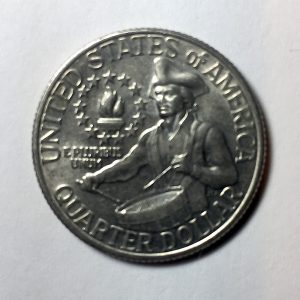
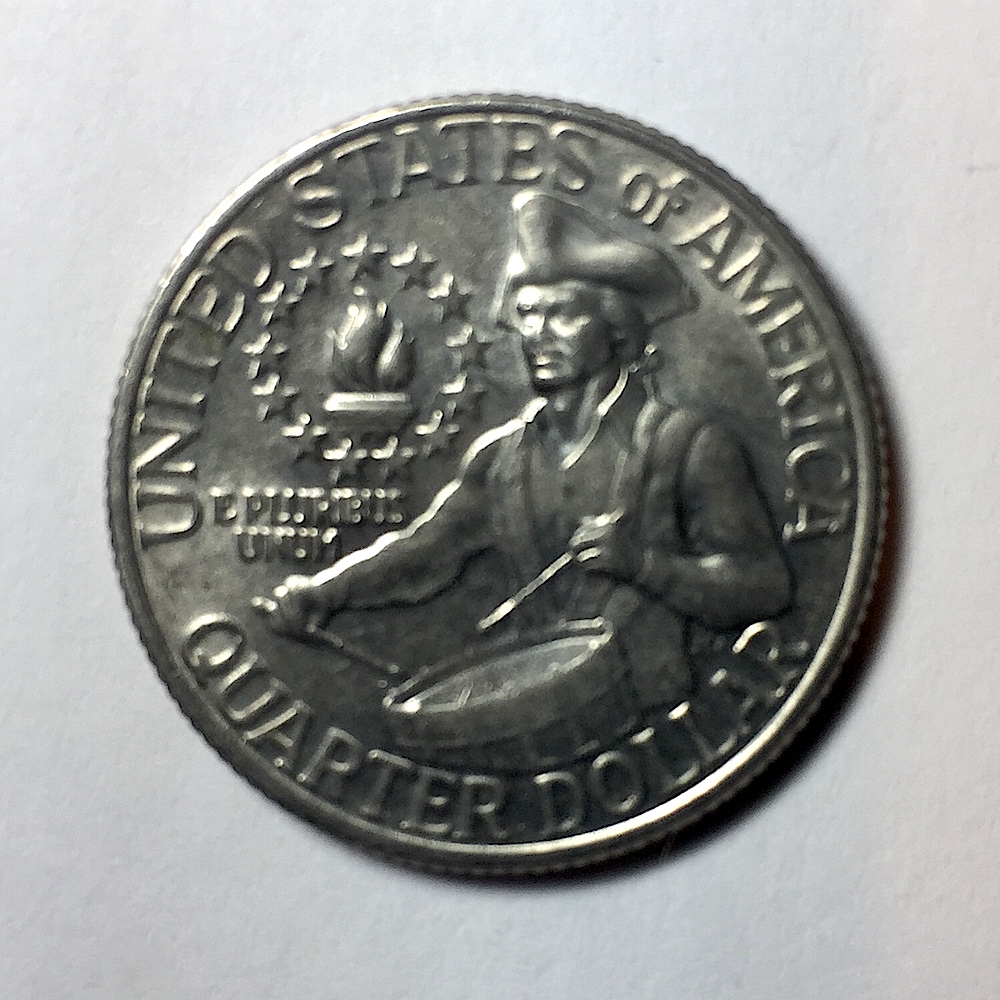
It’s not a “ classic” coin but the Drummer Boy reverse is still one of my favorite modern designs.
Numismatics is a hobby. Hobbies are supposed to be fun. You are supposed to like what you collect. If you like Kiss Challenge Coins, then go out and find them all. If using different metals to create interesting effects like the Royal Canadian and New Zealand Mints create, have fun. Even if you find enjoyment with searching pocket change for coins, you are a numismatist and are welcome to the hobby.
Everyone who collects numismatics should be welcome without being told they are collecting the wrong way. As time moves on, I will be proposing new ideas on making the hobby more inclusive. I welcome everyone’s feedback!
Sep 29, 2020 | books, poll
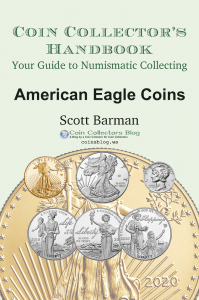 Over the weekend, I received the report telling me how many people downloaded my new e-book Coin Collector’s Handbook: American Eagle Coins. Thank you to everyone who purchased a copy! If you have not purchased your copy, you can do so today. For $9, the e-book is a description of the American Eagle Program from its inception in 1986 through 2019 without the fluff.
Did you know that the book described all of the special issue American Eagle coins, including anniversary and partnered series like the Legacies of Freedom set? There are mintage figures for every coin and set in the book. I plan to update the book annually, including updated mintage figures and new designs.
Now, it is time to move on to another guide.
The Guides are designed for the collector to add to your collecting experience. They provide essential information that every collector wants to know without a lot of extra details.
I started with the American Eagle coins because it generates the most interest on the bog. For the next guide, I have taken a few of the topics of interest, sorted the list, and will ask you, the readers, what you would like to see next.
A Field Guide to Detecting Counterfeits and Scams will be written for the everyday collector to understand how they can protect themselves. The Guide will explain how to look at the coin and pictures of coins at the strike, understand why you should understand precisely how a coin is to look, and what to do if you buy a counterfeit coin. This Guide will also look at the over-promising sales pitches some companies use, especially on television, that causes people to overpay.
Guide to Modern U.S. Circulating Commemorative Coins will look at each of the changing coins produced since 1999. It will cover every coin from the 50 State Quarters Program through Innovation Dollar with descriptions, design, mintage figures, and more. The book will include other related collectibles produced by the U.S. Mint, including coin covers and the 50 State Quarters Bears.
Guide to Defining Your Own Collection has been a popular question since I posted a redefinition of the Lincoln Cent Type Set. Since asked from creating different type sets, there were other ideas based on different themes. How about a collection of American buffalos or bison? Birth year sets are common, but what about collecting world coins from every year of your birth? Over the years, I have collected many different ideas for creating more than coin collections.
Guide to Modern Dollar Coins beings with the Eisenhower Dollars, the last series of large dollar coins, and continues to the Native American and Innovation dollar coins. In between, there are a lot of stories, controversies, composition changes, and presidents. Although the coins are easy to collect, this guide will add to your appreciation of these coins.
Something else tells me that you are interested in another topic. It does not have to be something that fits into a narrow topic. Most collectors have a broad interest that cannot be classified into a neat topic. I am willing to explore something out of the ordinary.

Loading ...
Sep 27, 2020 | coins, fun, news
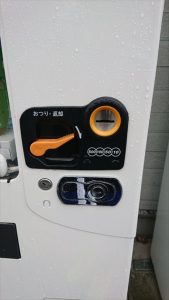
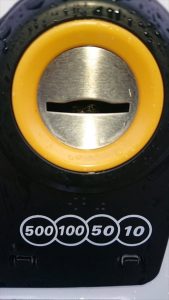
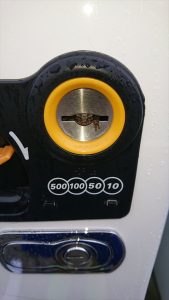
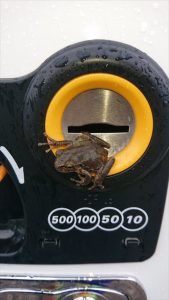
This week’s fun story comes from Japan, where coin-operated machines sell everything from candy to bitcoin. A user of a coin-op machine in Japan found that the coin slot was looking back at him.
The eyes looking back were of a tiny frog that is common in the countrysides of Japan. The frogs are so small that they seem to find their way into interesting places. It is unusual to find one of these frogs in a vending machine, especially in the cities.
According to the story, the vending machine user posted his adventure on Twitter. He tried to use small change to coax the frog out of the machine. Eventually, the coin’s weight caused the frog to seek an escape and jumped out of the coin slot.
As the Twitter user (@potetodaze1129p) wrote, “When you look into the abyss, sometimes the abyss looks back at you.”
If you want to read an interview describing the reaction from @potetodaze1129p, you can find the story here (in Japanese) or translated into English here.
And now the news…

September 23, 2020
Stephen Noyse of Coldwater, found an 1836 half dollar more than a decade ago. He was using a metal detector in Texas somewhere in the vicinity of the Alamo near the Rio Grande River that day. By the time he reached the buried coin, Noyse had dug down to the depth of his elbow.

→ Read more at
sturgisjournal.com
September 23, 2020
Marie Claire is supported by its audience. When you purchase through links on our site, we may earn commission on some of the items you choose to buy.
→ Read more at
marieclaire.co.uk
If you like what you read, share, and show your support 
Sep 22, 2020 | Britain, coins, news
It has been two weeks and two days since my last Weekly World Numismatic News update. It was a case of
Real Life™ getting in the way. The
launch of my books also added to my time. But the news continues.
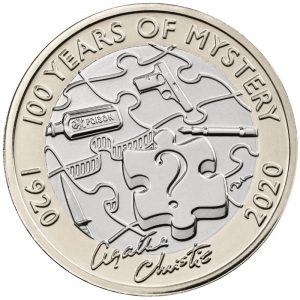
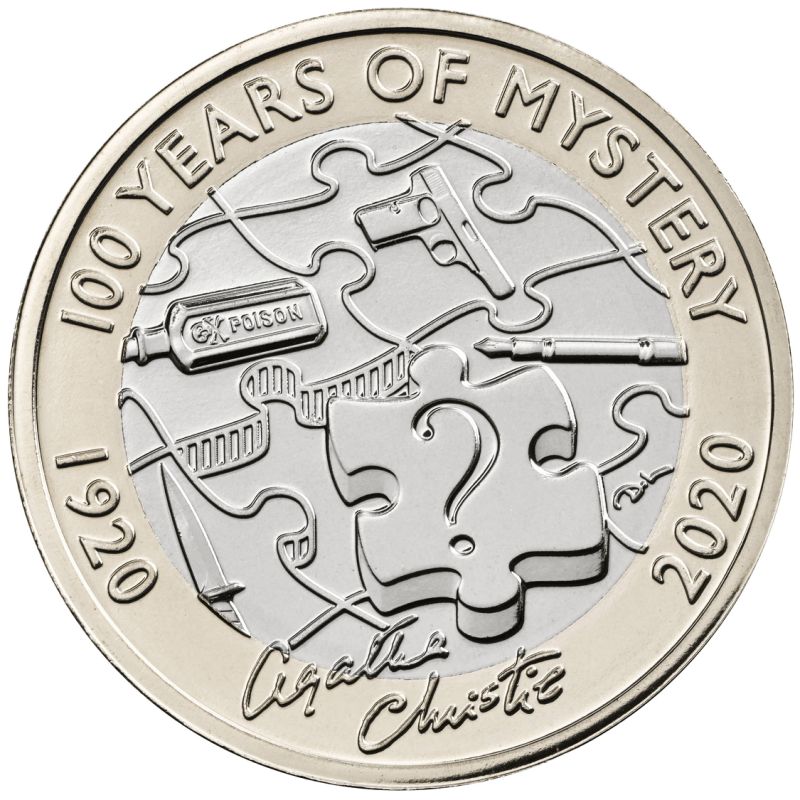
A brilliant uncirculated version of the new £2 coin, which features jigsaw pieces and a replication of Dame Agatha Christie’s signature (The Royal Mint/PA)
In the meantime, the Royal Mint issued a £2 coin commemorating the 100th Anniversary the publishing of Agatha Christie’s first novel, The Mysterious Affair At Styles. The exciting design featuring a puzzle with a missing piece and implements from the novel had several Coin Collectors Blog readers wondering why the U.S. Mint could not produce something similar for American literature.
Then there was the announcement that the late owner of the Utah Jazz amassed a collection of 1,600 quality coins that is estimated to be worth about $25 million. Larry H. Miller, an entrepreneur from Salt Lake City, was a fixture of the city’s business scene for his business and his support of professional sports. Miller died in 2009 at 64 years old, leaving behind the collection that nobody other than his family knew about.
The Larry H. Miller Collection, which includes an 1804 Draped Bust Dollar, will be auctioned by Stack’s Bowers Galleries later this year. The proceeds from the auction will go toward constructing a children’s hospital in Lehi, Utah, a city south of Salt Lake City.
The news of the Miller Collection appeared to excite more people in the collecting world than the other stories. Although the other coins are obtainable to the average collector, numismatic rubberneckers watch the rarities that most cannot afford.
Just as rubbernecking slows down traffic on the highway, numismatic rubbernecking slows down the growth of the hobby. The hobby can revel in a previously unknown collection uncovered from their hiding places, but it should not be the standard in which collections are judged.
We should be collecting stories with the coins. Without the stories, the coins are just pieces of metal with designs. Yes, the 1804 Dollar has a heck of a story, but very few can afford to collect that story. But show me someone who collects coins based on comic book characters, historical humans, historic events, sports themes, or has created a theme that tells their story, and you will be showing me someone who is enjoying their collection.
And now the news…
September 10, 2020
WASHINGTON – The United States Mint and The Royal Mint (United Kingdom) have collaborated to create two limited-edition sets marking the 400th anniversary of the Mayflower voyage.
→ Read more at
metrowestdailynews.com
September 10, 2020
As the price of gold reached a record above $2,000 in August, gold-backed exchange-traded funds attracted new assets for the ninth consecutive month, although the pace slowed, according to new data released on Wednesday by the World Gold Council.
→ Read more at
barrons.com
September 13, 2020
New £2 coins celebrating 100 years since Dame Agatha Christie’s first novel was published are being put on sale by the Royal Mint.
→ Read more at
uk.news.yahoo.com
September 14, 2020
Editor's note: This article is a part of a series reviewing Utah and U.S. history for KSL.com's Historic section. SALT LAKE CITY — For years until his death in 2009, Larry H.
→ Read more at
ksl.com
September 17, 2020
Gold has had a fantastic year so far in 2020, with its price climbing from around $1,500 per ounce at the end of 2019 to briefly above $2,000 per ounce recently. That's put the cherry on top of a nice five-year bull market that has seen the yellow metal almost double in price.
→ Read more at
fool.com
September 19, 2020
Anyone who likes to see a new production date on their coins is set for a disappointing decade. The Royal Mint has no plans to make new 2p or £2 coins for the next 10 years.
→ Read more at
finance.yahoo.com
If you like what you read, share, and show your support
Sep 14, 2020 | administrative, books
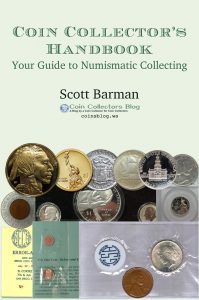 Today I am announcing the Coin Collector’s Handbook release and the Coin Collectors Handbook Series of Guides.
Since writing the first article on the Coin Collectors Blog in October 2005, I shared my collecting experiences and collected knowledge with his worldwide audience. After 15 years, it was time to give back to the hobby by creating a guide book based on my experience.
The Coin Collector’s Handbook is by a collector from the perspective of a collector. The book takes the most popular posts and pages from the blog and republished them in book form for the average collector regardless of what you collect. I want to see people enjoy collecting coins or anything else they like without being told that they must create a specific set.
The Coin Collector’s Handbook can be ordered online at the introductory price of $17.95 with free shipping. That is $2.00 off the list price! Just click here to order your copy.
Coin Collector’s Handbook Guides
During the recent quarantine, collectors have been using their available time to learn more about their collections. In the last several months, the most popular posts have been about the American Eagle Bullion Program.
Using my previous posts about the American Eagle Bullion Program, posts from the blog are now available in e-book form. The book opens with an essay about the American Eagle Program’s start, followed by chapters that expand on the original posts with coin specifications, design details, and mintage statistics. It includes a glossary of terms used in the book.
Coin Collectors Handbook: American Eagle Coins is available to download as a PDF  from the blog’s new Buy Me A Coffee Shop for $9.00, just three cups of coffee!
Based on what the blog readers are clicking on, there will be more guides to come. Stay tuned!
If you like what you read, share, and show your support
Sep 10, 2020 | history, medals
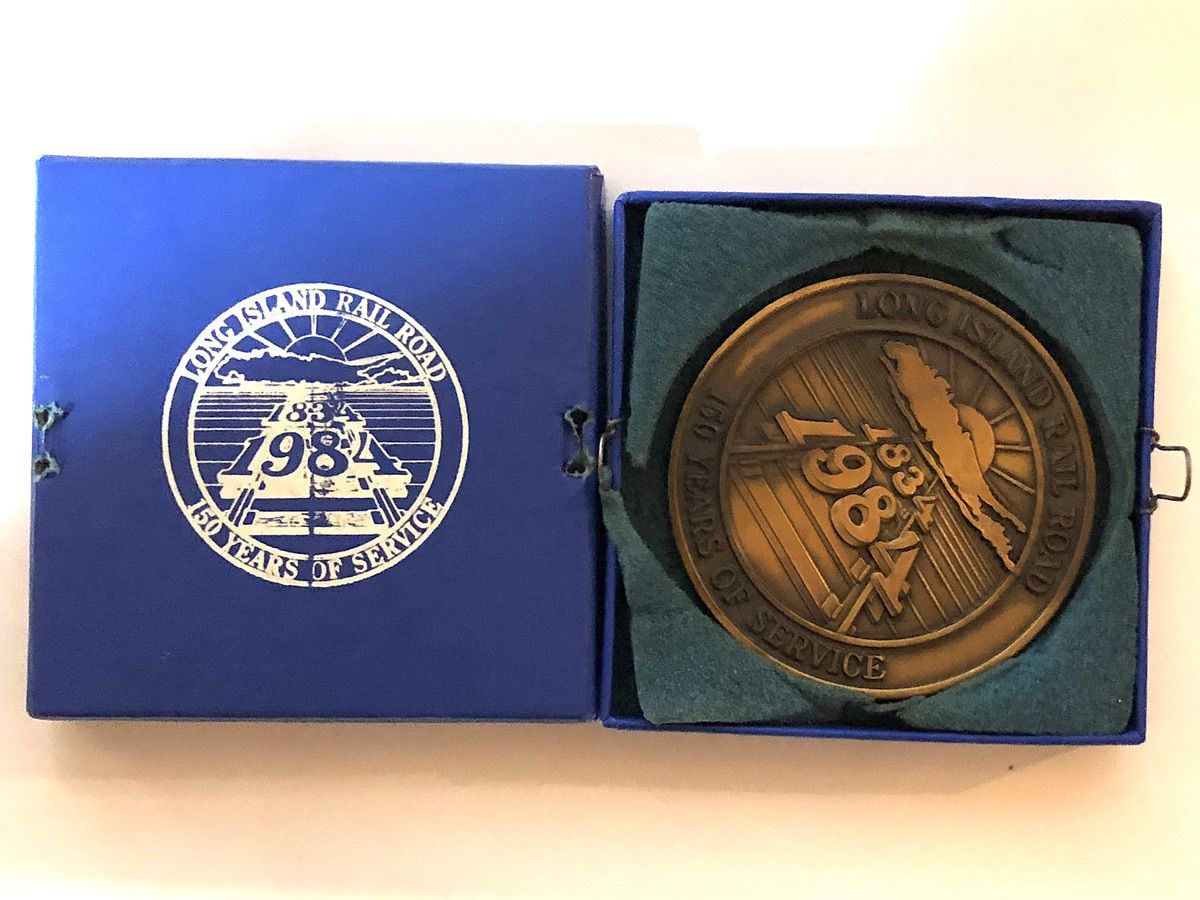
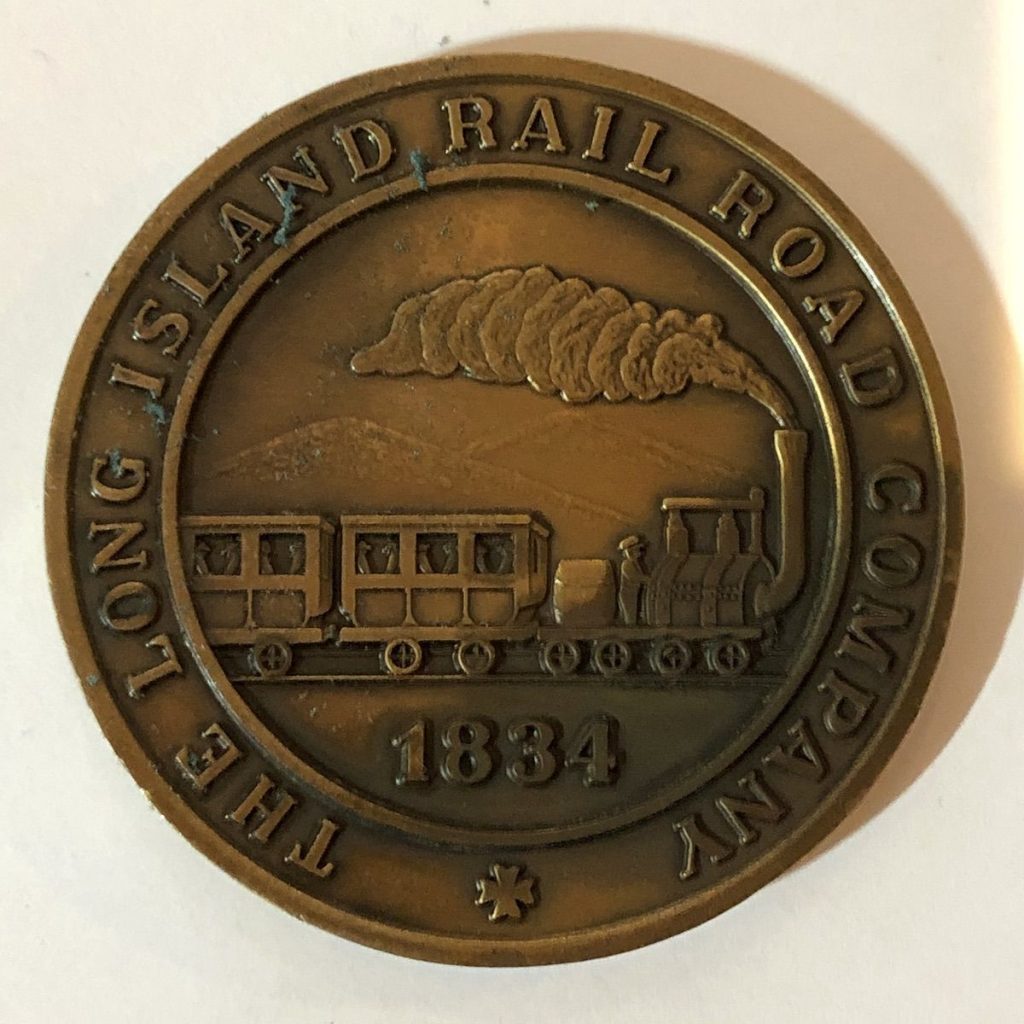
My desk is nowhere near being clean and organized as I would like it to be. Tonight, I lifted a stack of papers looking for something and found my Long Island Railroad Sequicentenial bronze medal.
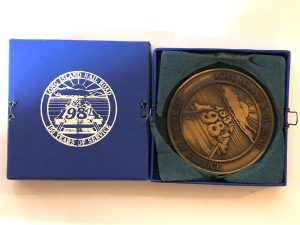 The Long Island Railroad (LIRR) is the largest commuter railroad in the United States. The LIRR runs the length of Long Island to bring commuters into New York City in the morning and home in the afternoon. The LIRR is part of everyone’s life in Nassau or Suffolk Counties, even if you are not a commuter.
When the LIRR was chartered on April 24, 1834, its mission was to provide rail service between New York City and Boston. The service used a ferry connection between Greenport on Long Island’s North Fork and Stonington, Connecticut. Weather and other issues forced that route to stop operating in 1849, but overland routes continued.
The Pennsylvania Railroad purchased the Long Island Railroad in 1900. They broke up the service that went north to Boston and the Long Island segments. The northern service is now part of Metro-North, the third-largest commuter railroad. The LIRR remained as a service to Long Island for both commuter and freight rail.
After World War II, the new middle class began to purchase more cars, causing a decline in ridership. In the early 1950s, New York State began to subsidize commuter rail services around New York City. By 1965, the state purchased the LIRR from the Pennsylvania Railroad to create the Metropolitan Commuter Transportation Authority (MCTA). A short time later, the state bought Metro-North from the New York Central Railroad, who previously purchased it from the Pennsylvania Railroad. When the state completed the purchase of the three remaining subway lines, the agency was renamed the Metropolitan Transportation Authority (MTA).
Today, the MTA is responsible for the New York City Transit Authority (subway and busses), the bridges and tunnels in New York City, the LIRR, Metro-North, and a cross-jurisdiction police department run under state authority. The MTA partners with New Jersey Transit for the parts of their service that run in New York. New Jersey Transit is the second-largest commuter rail service.
Remarkably few railroads have survived in the United States, but the LIRR is still going. The LIRR is the oldest commuter rail service in the United States. It was quite an accomplishment to celebrate 150 years. Along with the announcements of service improvements, the LIRR created many souvenirs, including a bronze medal.
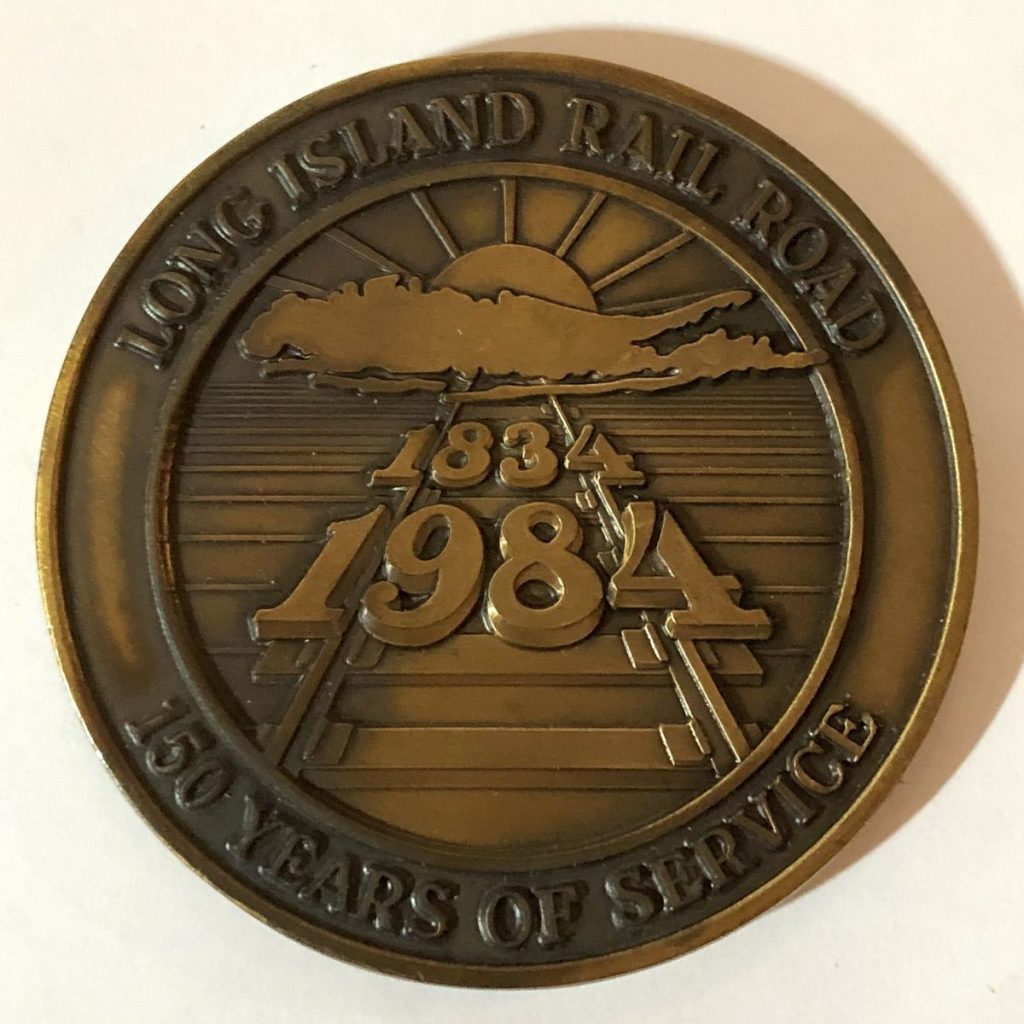
The Medallic Arts Company designed and struck a 64mm (2.5 inches) 5mm thick bronze medal for the LIRR. The obverse depicts the logo the LIRR used to celebrate the sesquicentennial. The reverse uses a logo found on stock certificates from the mid 19th century. It may not have been the original logo, but it was the oldest found.
The surface of the medal has an antiqued finished and appears to have a shellac coating.
Senior executives received the medals as a bonus, and many were given to VIPs. Employees could purchase medals from the LIRR Public Affairs office in Jamaica Station for $8 per medal. To purchase the medals, employees had to provide their “IBM Numbers” at the purchase time.
For those not old enough to remember, “IBM Numbers” were early employee identification numbers. The name came from the number a computer, the company’s IBM mainframe, and assigned to the employee. Companies that used the system would use a punchcard system to identify employees.
The medal is not common but not scarce. Several years ago, an inquiry to the LIRR about the medals amused their public relations department. Aside from not having records that old, nobody in the office worked for the LIRR when the medals were issued.
A casual study of the market shows that most are missing the presentation box. The presentation box was likely only available to the executives and VIPs. It is more difficult to find the medal with the original presentation box.
If you like what you read, share, and show your support
Sep 8, 2020 | Britain, coin covers, coins
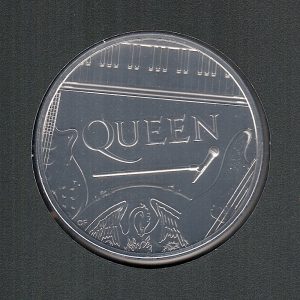
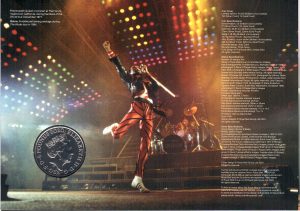
Reverse of the £5 Queen Coin
Queen’s frontman and principal writer was Farrokh Bulsara, better known by his stage name Freddie Mercury. Mercury was talented, charismatic, and a showman whose first big hit “Killer Queen” put them on the radar of young rockers in the 1970s.
In 1975, Queen released A Night at the Opera with the iconic “Bohemian Rhapsody” that always appears on the Top 10 lists of all-time songs. A Day at the Races followed, sometimes considered Part 2 to A Night at the Opera. Next was News of the World featuring “We Will Rock You” and “We Are the Champions” that continue to be featured as anthems in sports stadiums.
There is also the phenomenal performance by Queen at the 1985 Live Aid concert at Wembley Stadium.
Earlier this year, the Royal Mint issued the first coin in their “Music Legends” collection to honor Queen. Still featuring his long curly hair, Brian May, help the Royal Mint launch the new coin series.
The coins are available as a half-ounce silver proof and a £5 uncirculated coin with limited edition slipcases. The Royal Mint partnered with the Royal Mail to produce a coin cover.
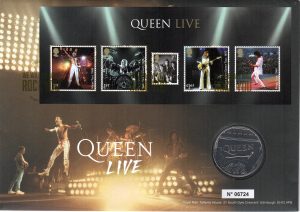
Coin covers, known as Philatelic Numismatic Covers (PNC), are covers with coins or medals encased and usually postmarked on the First Day of Issue of the stamps. PNCs are popular in Europe. The colorful cache with the stamps and coins gives the collectible more context and appeal.
-
-
Philatelic Numismatic Cover honoring Queen
-
-
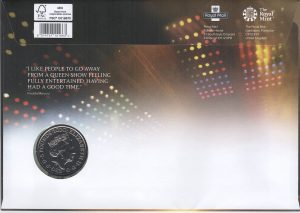
Back of the Coin Cover honoring Queen
-
-
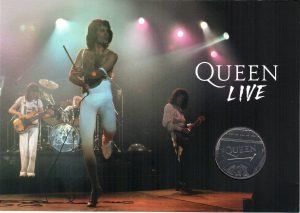
Inside the cover is a card that holds the coin.
-
-
Back of the insert Card of the PNC Honoring Queen
My collection contains every coin cover issued by the U.S. Mint, some issued by private companies, and several by the Royal Mint and Royal Mint with global interest topics. When I discovered that they issued a coin cover with the Queen coin, it was an opportunity to add a great collectible to my collection.
The covers are a great way to collect something numismatic that ties to other interests. Aside from classic rock, I noticed that the Royal Mint and Royal Mail has two limited edition covers celebrating Sherlock Holmes. I first read Arthur Conan Doyle’s The Hound of the Baskervilles for a college literature class. I thought it was fantastic. When discussing the book, the professor said that Doyle wrote many short stories featuring Holmes. As a poor college student, I was able to find an affordable two-volume set of Doyle’s 56 short stories in a used bookstore. Later, I read the four Sherlock Holmes novels.
As you can see, the coin covers add additional context to the collection. It bridges numismatics with other subjects that allow the enjoyment of both. In fact, I was listening to the Top 700 countdown of the 1970s hits on SiriusXM’s 70s on 7 channel that reminded me to write about the cover.
For the record, the listeners of the 70s on 7 voted Queen’s “Bohemian Rhapsody” as the Number 1 song of the 1970s. “We Will Rock You/We Are The Champions” was Number 10.
Sep 7, 2020 | auction, coins, news
When a $1 coin worth over $10 million is scheduled for auction, it will make worldwide news. The announcement that one of the first silver dollars ever struck by the U.S. Mint will be sold at auction in October.
In June, Legend Numismatics announced the Bruce Morelan Collection sale that includes a rare, early die-state 1794 Silver Dollar graded Specimen 66 by PCGS that Legend purchased for a record $10 million in 2917.
Moreland assembled the finest examples of early dollar coins from the founding of the Mint in 1794 through 1804 with Legend and its principal owner, Laura Sperber.
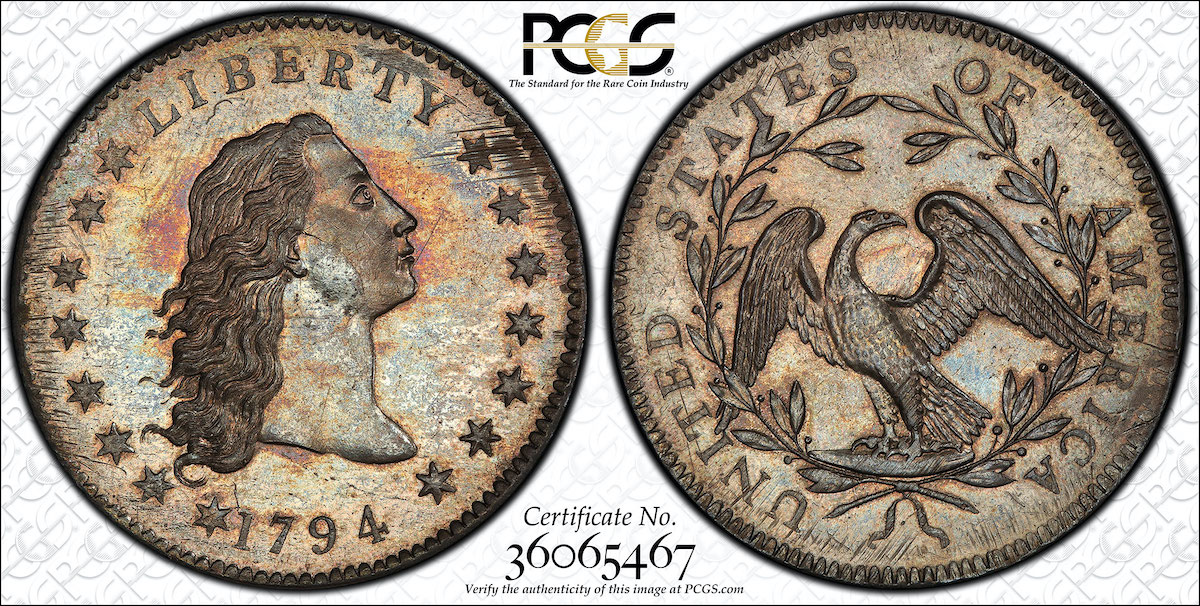
1794 Flowing Hair Dollar, PCGS SP66
(Image courtesy of PCGS)

1804 Draped Bust Dollar, Original – Class BB-304, PCGS PR65 (Image courtesy of PCGS)
While the news focused on the 1794 dollar coin, most missed the Class I 1804 dollar, the other significant rarity in the collection. Class I 1804 dollars was part of the eight coins that were struck in the early 1830s to create sets for diplomatic missions. The 1804 dollar in the Moreland collection is the Dexter Specimen named for one of its first owners James V. Dexter. It is believed that Dexter carved a small “D” into the reverse of the coin.
The coin’s pedigree includes being owned by the U.S. Mint, who bought the coin after being in a private collection, and D. Brent Pogue. It is the third finest example of the 1804 dollar.
The Moreland collection is scheduled to be part of the auction at the PCGS Members-only Show held in Las Vegas in early October.
And now the news…
August 28, 2020
On October 15, 1794, Henry Voigt, the Chief Coiner of the United States, hurried nearly 2,000 silver coins to the desk of David Rittenhouse, the Director of the United States Mint. That day marked a milestone in the making of a country: Two years after Alexander Hamilton established the Mint under President George Washington, the first dollars had been minted.
→ Read more at
atlasobscura.com
August 28, 2020
Elana Hagler’s grandmother, an avid coin collector when she lived in Russia, has a special gift coming soon. Hagler had a major role in the design of an upcoming 2020 presidential $1 coin from the U.S. Mint. The coin will feature her drawing of President George H.W. Bush.
→ Read more at
fresnobee.com
August 29, 2020
Today, 28 August, a treasure of 32 silver coins dated to the early Kyivan Rus times is discovered and donated to the local regional history museum in north-Ukrainian Zhytomyr Oblast. The silver coins known as srebreniks or sribnyks were the first coinage minted in medieval Kyiv around the early 1000s A.D. Historians attribute the 32 silver coins to the times of Kyiv princes Volodymyr and Sviatopolk around 1000-1019 A.D.
→ Read more at
euromaidanpress.com
September 2, 2020
• The Royal Australian Mint has unveiled a new coin that is designed to be donated. • The Donation Dollar encourages Aussies to use it for charity.
→ Read more at
businessinsider.com.au
Sep 3, 2020 | coins, policy
 During a class for my master’s degree, a professor was fond of reminding us that politics is a contact sport. He meant that metaphorically, but the point was direct. Politicians will do what they can to get their job done, regardless of the inside consequences.
Unfortunately, the contact sport has spilled out of the halls of congress into the mainstream. Regardless of whether the proposal has merit and the politician is proposing with good intension, the game no longer is about the substance but the team everyone is on.
S. 4326: 1921 Silver Dollar Coin Anniversary Act
Read twice and referred to the Committee on Banking, Housing, and Urban Affairs. — Jul 27, 2020
Introduced in Senate — Jul 27, 2020
For example, S. 4326, 1921 Silver Dollar Coin Anniversary Act, would allow the U.S. Mint to strike silver dollars to commemorate the 100th Anniversary of the last Morgan Dollar and the 100th Anniversary of the first Peace Dollar. The bill does not limit the number of coins, and does it have an end date.
The bill is not a commemorative coin act. It says that “all coins minted under this Act shall be considered to be numismatic items.” The bill does not add surcharges to the coins’ sale, and the government keeps the seignorage.
Given the popularity of the Morgan and Peace Dollars, it would be logical to consider that the amount of seignorage earned from their sale would provide a good windfall for the government. Give the collectors something to excited about and pocket some change by doing so. A bill like this should be a no-brainer. Right?
I contacted an old friend that has survived the last 20 years on Capitol Hill. Aside from wondering why he was not receiving battle pay, we talked about pending legislation. When I asked about the 1921 Silver Dollar Coin Anniversary Act, he laughed at me.
“If it passes the Senate, the only way it will make past the door of the House would be if (someone) is sick.”
The “(someone)” is one of several members of Congress on one of the teams known to use constitutional procedures against the other team. They have objected to coin-related bills passed by the Senate because they revenue-generating measures. They cite Article I Section 7 of the U.S. Constitution (All Bills for raising Revenue shall originate in the House of Representatives;) to block bills passed by the Senate.
Since a member of the red team introduced S. 4326, the blue team will block the bill from being introduced in the House. Unless the Speaker of the House can convince these members to withdraw their objections, this bill will not pass.
Not all is lost. A version of the bill (H.R. 6192) was introduced in March by Rep Andy Barr (R-KY). If the red and blue teams play nicely together and pass this version, the U.S. Mint may be selling 2021 Morgan and Peace Dollars next year.
H.R. 7995: To amend title 31, United States Code, to save Federal funds by authorizing changes to the composition of circulating coins, and for other purposes.
Referred to the House Committee on Financial Services. — Aug 11, 2020
Introduced in House — Aug 11, 2020
Rep. Mark E. Amodei (R-NV) introduced H.R. 7995 in August. At this time, the Government Printing Office has not published the text of the bill. Judging by the title as introduced, the bill will require the U.S. Mint to change circulating coinage composition.
Without the text of the bill, it is impossible to judge its merits. I will see if this bill is worth discussing when the bill’s text is posted.
If you like what you read, share, and show your support
Sep 2, 2020 | ANA, commentary
 This past weekend, the Newman Numismatic Portal (NNP) held an on-line symposium that was an extended Money Talks session via Zoom. Although using Zoom and the format took advantage of new technologies, it is something I have been trying to convince the American Numismatic Association to do for a long time.
On May 21, 2016, I wrote, “Now is the time for the ANA and any other organizations that provides educational sessions to consider adding online access to their shows.”
Since then, I have been trying to convince the Association that it could extend its reach beyond the Summer Seminar and the World’s Fair of Money by broadcasting the content on-line.
“There are technologies that can help support the bringing the lectures, courses, and other activities to an online community,” I wrote in 2016. “There are a number of web-based conferencing system that requires a minimal amount of technology to broadcast these activities to collectors everywhere.”
I wrote that before the creation of Zoom!
Unfortunately, the ANA President and Board of Governors ignored all previous work regarding online education, making the Association look like an also-ran. Although some of the Summer Seminar sessions appeared online, the NNP Symposium surpassed the reach of the Summer Seminar in both content and impact.
The NNP succeeded where the ANA has failed. The NNP took advantage of modern technology to deliver numismatic education while the ANA, whose mission is supposed to be education, has done very little.
Why?
Why has the ANA Board of Governors failed in its mission?
It is easy to lead when times are good. An extended period of good times allows organizations to sit on its laurels. They can point to incremental changes as progress.
Leadership means being able to lead during good times and know how to respond when a crisis occurs.
“What leaders have to realize is that when a crisis hits, you can’t just rest on your laurels and think that everything will move along normally,” says Ronald Riggio, Ph.D., a professor of leadership and organizational psychology at Claremont McKenna College in California. “You need to train, prepare and execute.”
The ANA did not plan. The ANA was not prepared. There was nothing for the ANA to execute. The ANA FAILED in its mission.
The Board was told that it needed to expand to online education. When I was asked, “Can’t the ANA use something like Zoom to create classes?” Not only did I say it was possible, but I also noted other services the ANA could have used.
When I learned that Robert Oberth was appointed the Chair of the Information Technology Committee, I had a conversation with him on Facebook as part of comments to a post on the ANA Facebook page. I used Facebook to keep the conversation open and allow any member interested in why the ANA has failed to meet its members’ obligations.
As part of the conversations, I provided the lines to my writing on the subject. Unfortunately, the conversation has little impact. The ANA is lagging behind everyone in providing online education.
Even though I am not on the IT Committee, it does have institutional knowledge. According to the committee membership list published on the ANA website, Governor Greg Lyon is also a committee member. In his sixth and final term as ANA Governor, Lyon has been involved with the committee since the beginning. Lyon was the original Board liaison to the committee.
Lyon has not said much about the committee and its work either to me or in public. Now, when the ANA could use guidance, where is he? There is an English proverb that says, “cometh the hour, cometh the man.” A term that is associated with Winston Churchill, who stepped up when his country needed him.
Hey Greg, the ANA needs leadership. Where are you?
It has been six months since the crisis began. Where is the Board of Governors? What are you getting accomplished in those “excruciating” Board meetings (your word, Steve)?
The ANA Board of Governors has failed the Association and its members. These are the people who need to resign TODAY and allow new leadership to be selected by ANA members:
- President Steve Ellsworth
- Vice President Ralph Ross
- Governors:
- Mike Ellis
- Muriel Eymery
- Mary Lynn Garrett
- Greg Lyon
- Cliff Mishler
- Rob Oberth
- Shanna Schmidt
Are there six people who will run for the Board of Governors? If there are, I will join you to make a slate of seven people whose only purpose is to lift the ANA from the morass created by the current Board.